


Finding blood in your pet’s urine can be alarming for any pet owner. This condition, known medically as haematuria, occurs when blood is present in a dog or cat’s urine and usually indicates an underlying health issue that needs investigation. You may notice blood in your pet’s urine as pink, red, or brown discoloration, or laboratory testing may only detect it. Common causes include urinary tract infections, bladder stones, injury, prostate disease, and some cancers. Pet owners should not ignore even subtle changes in toilet habits, as these can be early warning signs.

Key takeaways
- Haematuria is the term used for blood in the urine and is a sign of an underlying issue, most commonly affecting the urinary tract (1).
- Urine may look pink, red, or brown, but changes such as straining, frequent urination, accidents, or genital licking can be just as important (1).
- A veterinary check is needed to find the cause, using a physical exam, urine tests, blood tests and/or imaging.
- Many causes are treatable, especially when caught early, and following your vet’s treatment plan improves outcomes.
Understanding Blood in Your Pet’s Urine (Haematuria)
Haematuria is the presence of blood in pet’s urine and usually indicates an underlying health issue that needs investigation (3,4). Blood may be visible as discoloured urine or only detected on a urine test (3). Common causes include infections, urinary stones, injury, prostate disease, and some cancers (5). Even subtle changes in toilet habits can be an early warning sign and should not be ignored.
Recognizing Symptoms of Blood in Pet’s Urine

Urine discolouration
One of the most noticeable signs of haematuria is a change in urine colour (1). Instead of the usual pale yellow, urine may appear pink, red, or brown when blood in your pet’s urine is present (1). This is known as visible (gross) haematuria and may be associated with conditions such as urinary tract infections, stones, or trauma (1,2,4-6).
If you are unsure, collecting a fresh urine sample in a clear container and holding it against a white background can make colour changes easier to assess. Some owners also find simple urine colour charts from their veterinary clinic or reputable pet health websites helpful.
Persistent reddish staining on bedding, puppy pads, litter trays, or around the vulva or prepuce can also indicate blood in the urine. Noting when the discolouration first appears, how long it lasts, and whether it occurs at the beginning, middle, or end of urination can help your veterinarian determine where the bleeding is coming from (for example, the bladder, urethra, kidneys, or genital tract) (3).
Subtle signs of haematuria
Not all haematuria is visible. Microscopic haematuria refers to blood in your pet’s urine that cannot be seen with the naked eye and is usually detected only through a urine test (3).
Even when urine looks normal, changes in urination may still occur. These can include urinating more frequently, passing smaller amounts, straining in the litter tray or on walks, or hesitating before squatting (3). Some pets may become unhouse-trained and urinate in unusual places, such as on tiles, carpets, or in showers, due to urgency or discomfort.
More general signs can also be present, including mild lethargy, abdominal discomfort, or a pet that simply seems “not quite itself”. These changes may accompany early kidney infections, urinary stones, or low-grade bladder inflammation (5,6).
Behavioural changes due to haematuria
Behavioural changes can be an early indicator of urinary discomfort. Pets may appear restless, vocalise when urinating, avoid their usual toilet areas, or lick the genital area more frequently (7). Reduced appetite, withdrawal, or reluctance to play may also occur with ongoing urinary tract disease (5).
Haematuria in dogs vs cats

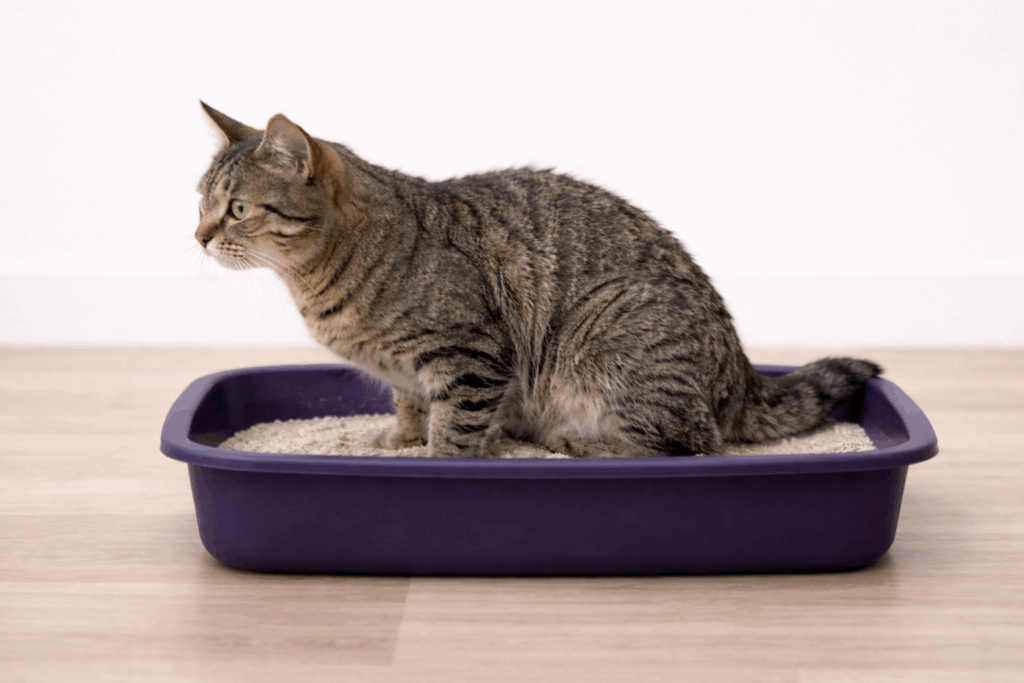
In cats, haematuria is often associated with feline lower urinary tract disease. Affected cats may strain in the litter tray, pass only small amounts of urine, vocalise, lick the genital area frequently, or urinate in unusual places such as sinks, bathtubs, or beds.
In dogs, haematuria can present differently depending on the cause. In male dogs with prostate disease, blood in your pet’s urine may appear only at the beginning or end of urination, or as intermittent drips between walks, even when the urine stream otherwise looks normal. In female dogs, vaginal bleeding can sometimes mix with urine, making it difficult to determine whether the blood is coming from the urinary or reproductive tract. A veterinary examination is important to identify the source.
Why is there blood in the urine?
Haematuria occurs when blood in your pet’s urine is present. It most commonly suggests irritation, inflammation, damage to blood vessels, or a problem with the body’s ability to clot blood. The bleeding can originate anywhere along the urinary tract, including the kidneys, ureters, bladder, urethra, and, in male dogs, the prostate.
Not all red or brown urine is caused by intact blood cells. In true haematuria, red blood cells are visible on urine testing. In other cases, urine discolouration may be caused by blood pigments released into the urine due to red blood cell breakdown or muscle damage. Although these conditions can look similar to the eye, laboratory testing allows veterinarians to distinguish between them and identify whether the cause is local to the urinary tract or related to a systemic condition.
What are the common causes of haematuria?
Haematuria most commonly comes from problems affecting the urinary tract (the kidneys, bladder, or urethra), but it can also be related to genital tract bleeding or whole-body conditions (5).
Urinary tract causes (most common) (5,6)
- Urinary tract infections (UTIs)
- Bladder or kidney stones and urinary crystals
- Inflammation of the bladder, including idiopathic cystitis (especially in cats)
- Trauma to the kidneys, bladder, or urethra
- Tumours or other growths within the urinary tract
- Polyps in the bladder or urethra
Urinary tract infections (UTIs) occur more often in female pets and are more common in dogs than cats (2, 5), while idiopathic cystitis is the most common cause of haematuria in cats (5).
Genital tract causes (may look like haematuria) (5)
- Prostate disease in male dogs
- Bleeding during heat (oestrus) in entire female dogs
- Inflammation, trauma, or tumours of the vagina or prepuce
Less common systemic causes (5)
- Bleeding or clotting disorders (coagulopathies)
- Blood vessel abnormalities
How is haematuria diagnosed by a veterinarian?
Your vet’s goal is to work out where the blood is coming from and why, so the most appropriate treatment can be started. This is usually done through a step-by-step approach.
Your vet’s diagnostic approach (1,3-6)
- Discussing your pet’s history
Your vet will ask when you first noticed the blood or changes in urination, whether it comes and goes, and if there have been any recent changes at home. This information provides important clues about the source of the problem.
- Performing a physical examination
A full physical exam is carried out, with close attention to the abdomen, bladder, kidneys, and genital area. In male dogs, the prostate may also be examined.
- Testing a urine sample
A urine test (urinalysis) is used to confirm the presence of blood and check for infection, crystals, inflammation, or other abnormalities (1,4). If bacteria are suspected, a urine culture may be performed to identify the best antibiotic (1).
- Running blood tests
Blood tests help assess kidney function, check for infection or inflammation, and identify issues such as major blood loss or clotting problems (3).
- Using imaging when needed
X-rays or ultrasound may be recommended to look for stones, tumours, blockages, or structural changes within the urinary tract (5,6).
How does a vet treat haematuria?

Treatment for haematuria depends on what is causing the bleeding. Because haematuria is a symptom, your veterinarian will first identify the underlying cause and then tailor treatment to your pet.
Common treatment options (1,5,6)
- Medications
Antibiotics may be used for urinary tract infections, while pain relief or anti-inflammatory medication is often prescribed to reduce discomfort and bladder irritation (1).
- Dietary changes
If crystals or bladder stones are involved, a prescription diet may be recommended to help dissolve crystals, prevent stone formation, and support urinary health (1,6).
- Increased water intake
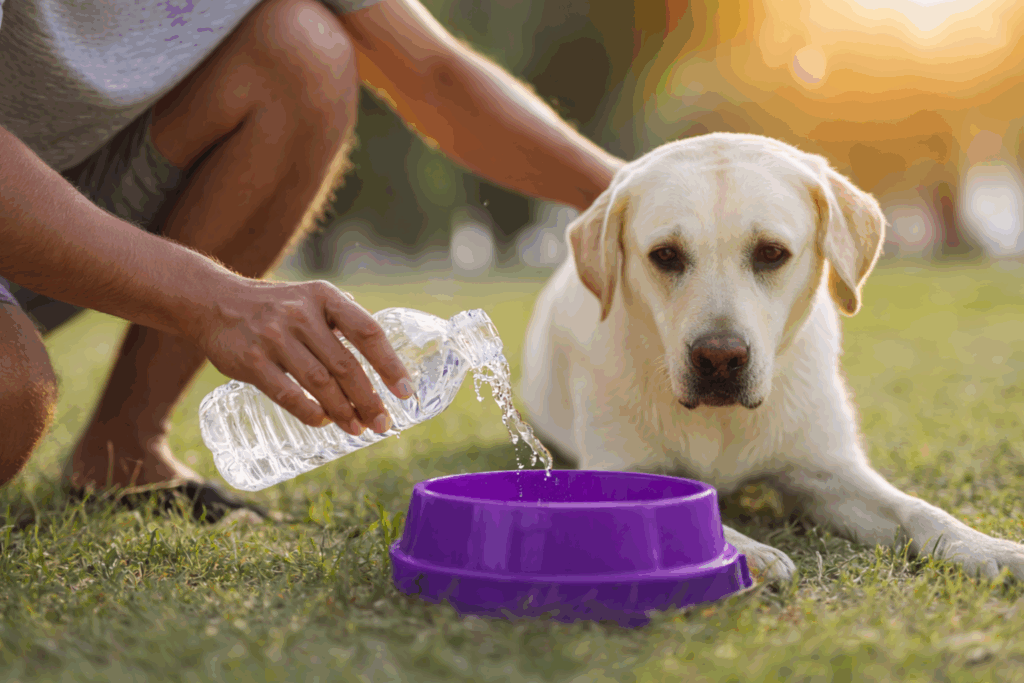
Encouraging your pet to drink more helps dilute the urine and flush the urinary tract, reducing irritation and supporting recovery (6).
- Stress management (especially in cats)
In cats, haematuria is often linked to stress-related bladder inflammation. Treatment may focus on reducing stress at home or their environment rather than antibiotics.
- Procedures or surgery
Surgery or other procedures may be needed for bladder stones, tumours, obstructions, or major trauma (5,6).
Can haematuria be prevented?
Not all causes of haematuria can be prevented, but early detection and good daily care can reduce the risk of urinary problems and help catch issues sooner.
What owners can do (3,5-8)
- Monitor urination habits
Keep an eye on urine colour, frequency, and ease of urination. Pink, red, brown urine, straining, frequent small amounts, or accidents should be checked by a vet, even if your pet seems otherwise well.
- Encourage good hydration
Fresh water should always be available. Wet food, multiple water bowls, or water fountains (especially for cats) can help increase water intake and support urinary health.
- Reduce stress (especially for cats)
Stress can trigger bladder inflammation in cats. Maintaining routine, providing enrichment, and keeping litter trays clean and accessible can help reduce flare-ups.
- Provide appropriate diet and toilet access
Feeding a balanced diet suited to your pet’s age and health, and allowing regular opportunities to urinate (walks for dogs, clean litter trays for cats), supports normal bladder function.
- Attend regular veterinary check-ups
Routine exams, urine tests, and bloodwork when recommended can detect urinary or kidney problems early, sometimes before visible blood appears.
Conclusion
Blood in your pet’s urine can be alarming, but many causes of haematuria in dogs and cats are treatable, especially when caught early. With prompt investigation and appropriate treatment, many underlying causes can be effectively managed or resolved. Noticing changes early, following veterinary advice, and having pet insurance in place can make navigating diagnosis and treatment much easier.
Is haematuria covered by pet insurance?
How Petsy Pet Insurance may help
Haematuria links to a range of conditions, from urinary tract infections and bladder stones to more serious illnesses that require ongoing care or surgery. Petsy Pet Insurance may help cover eligible veterinary costs associated with diagnosing and treating haematuria, depending on the underlying cause and your individual policy.
References
- Yadav SN, Ahmed N, Nath AJ, Mahanta D, Kalita MK. Urinalysis in dog and cat: A review. Vet World. 2020;13(10):2133-41.
- Byron JK. Urinary Tract Infection. Veterinary Clinics: Small Animal Practice. 2019;49(2):211-21.
- Thompson M, Watson ADJ. Stranguria and haematuria. BSAVA Manual of Canine and Feline Nephrology and Urology: BSAVA Library; 2017. p. 1-7.
- Ford RB, Mazzaferro EM. Section 3 – Clinical Signs. In: Ford RB, Mazzaferro EM, editors. Kirk and Bistner’s Handbook of Veterinary Procedures and Emergency Treatment (Eighth Edition). Saint Louis: W.B. Saunders; 2006. p. 387-448.
- Nelson RW, Couto CG. Small Animal Internal Medicine: Small Animal Internal Medicine – E-Book. 6 ed. Chantilly: Elsevier; 2019.
- Lulich JP, Berent AC, Adams LG, Westropp JL, Bartges JW, Osborne CA. ACVIM Small Animal Consensus Recommendations on the Treatment and Prevention of Uroliths in Dogs and Cats. J Vet Intern Med. 2016;30(5):1564-74.
- Veterinary Partner. Hematuria (Blood in the Urine) in Dogs and Cats [Internet]. VIN; c2024 [cited 2026 Jan 20]. Available from: https://veterinarypartner.vin.com/default.aspx?pid=19239&catId=254073&id=6465677
- Kenefick S. Haematuria in small animals. In Practice. 2010;32(8):398-403.