


Key Takeaways
- A progressive condition: Periodontal disease is a progressive inflammatory condition that starts with simple plaque build-up but can lead to permanent damage to your pet’s teeth and gums if not addressed early.
- Subtle early signs: Signs are often subtle, so knowing the early red flags can prevent irreversible oral trauma.
- Prevention is best: Daily tooth brushing remains the “gold standard” (most effective way) method for reducing plaque and lowering the risk of periodontal disease.
What is Periodontal Disease?
Just like humans, dogs and cats are highly susceptible to periodontal disease (also known as dental disease, gum disease or periodontitis), and it’s more common than many pet parents realise. By the age of two, approximately 80% of dogs and 70% of cats already show signs of dental disease1.
Periodontal disease is a progressive inflammatory condition that gradually damages the teeth, gums, and supporting structures, including the periodontal ligament and surrounding bone. If left untreated, the infection can lead to gum recession, chronic pain, persistent bad breath, loose teeth, and systemic health issues.
How Does Dental Disease Occur?
The process begins with plaque, the fuzzy film you might notice on your teeth surfaces before brushing in the morning2. It is made up of bacteria, food particles and components of saliva.
- Plaque formation: After every meal, bacteria and food particles cling to the tooth surface and collect along the gum line.
- Mineralisation: If not removed regularly, the plaque combines with minerals in the saliva and hardens into calculus (also known as tartar) within 48 to 72 hours.
- Infection: The bacteria in the plaque will trigger gum inflammation. Calculus provides a rough surface which traps more bacteria and further irritates the gums. Over time, the inflammation will spread below the gum line and permanently damage the tissues and bones that support the teeth.
Note: While regular brushing removes plaque, only a professional veterinary scaling under anaesthesia can remove hardened calculus1.
Stages of Periodontal Disease
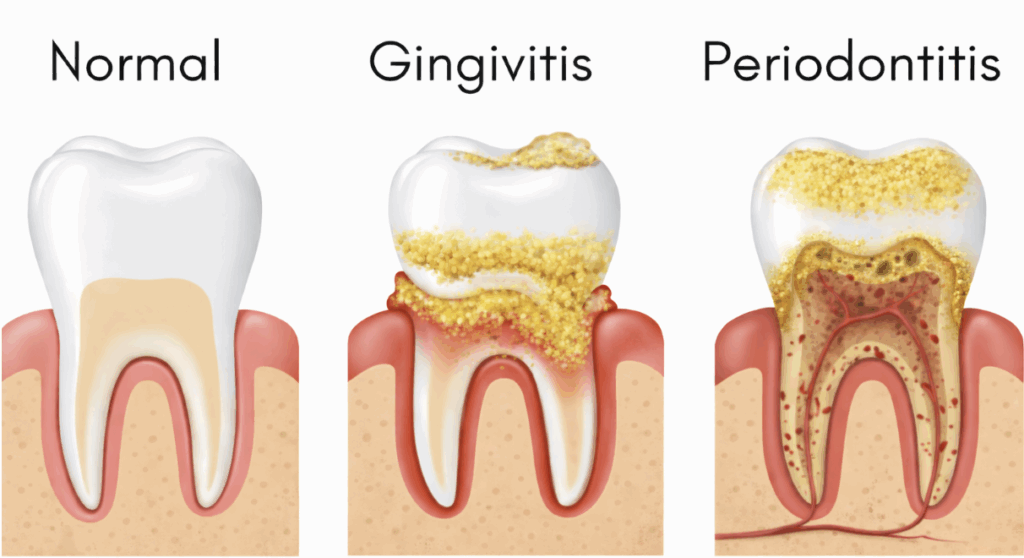
- Gingivitis (Stage 1): The early, reversible stage. Gums appear red, swollen and may bleed slightly. Professional cleaning by a veterinarian and improved home care can return the mouth to a healthy state.
- Periodontitis (Stage 2): An early stage of periodontal disease where plaque and bacteria extend below the gum line, causing inflammation of the tissues supporting the teeth. Gums may appear red, swollen or slightly receded, and bad breath is often present. At this stage, changes are generally mild and, with prompt professional veterinary treatment and improved home dental care, the condition can often be stabilised and in many cases reversed before permanent damage occurs.
- Periodontitis (Stage 3-4): The advanced, irreversible stage. Inflammation spreads deep into the tooth socket, which may causeing permanent bone loss and tissue destruction3.
Which pets are most at risk of Periodontal Disease?
While any pet can develop dental issues, certain factors can increase the risk:
Common breeds at risk
- Dogs: Cavalier King Charles Spaniel, Toy Poodle, King Charles Spaniel, Yorkshire Terrier and Greyhounds5.
- Cats: Siamese, Maine Coon3.
Other risk factors:
- Size: Small and toy breeds are highly prone due to crowded teeth and short jaws, which create more areas for plaque to hide4.
- Age: The risk increases significantly as pets get older.
- Dental care: A lack of regular home dental care and professional veterinary cleanings6.
- Diet: Certain diets may predispose to dental decay.
- Systemic links: Periodontal disease is a systemic concern. Chronic oral inflammation has been associated with heart, kidney, and liver issues5.
Recognising the Clinical Signs
Periodontal disease can develop quietly. Watch for:
- Persistent bad breath: Often the first noticeable sign.
- Gums: Red, inflamed, bleeding or recessed.
- Eating habits: Sudden reluctance to eat hard food, dropping food or unusual chewing patterns.
- Behavioural changes: Decreased grooming or play, pawing at the face or becoming “head shy”.
- Teeth: loose or missing teeth, visible calculus (yellow or brown)1.
Dogs vs. Cats
While both dogs and cats are susceptible to periodontal disease, there are slight differences.
- Prevalence: Periodontal disease is generally more common in dogs.
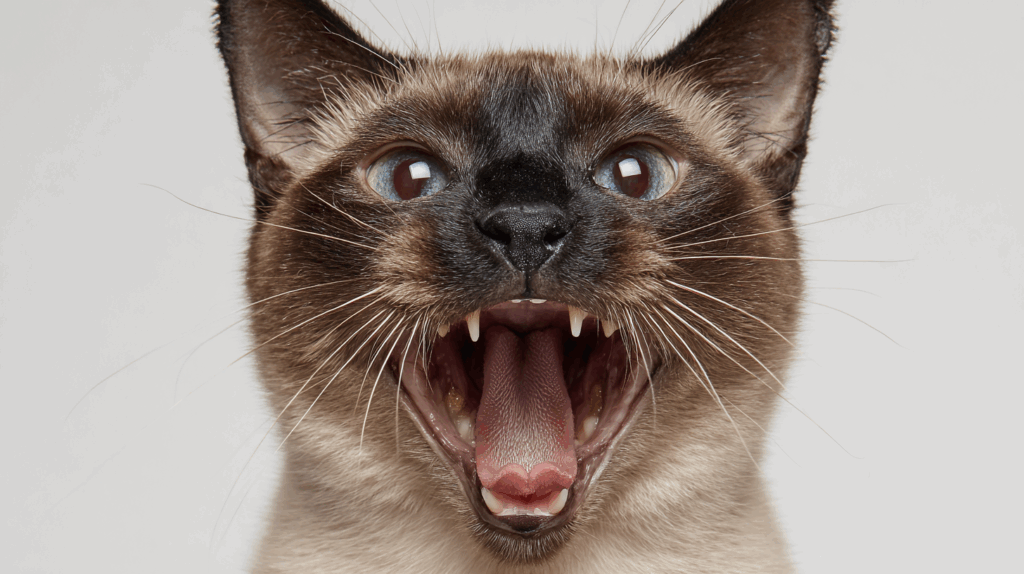
- The “silent feline patient”: Cats are notorious for masking physical discomfort. Instead of obvious dental pain, subtle indicators such as appetite shifts, decreased grooming and a lack of interest in dry food are often the only early warning signs8.
When to Schedule a Vet Visit?
If you notice signs of dental disease, schedule a veterinary examination as soon as possible. Early detection not only prevents permanent damage and chronic pain, but also makes treatment simpler, less invasive and more affordable.
How a Veterinarian Diagnoses Periodontitis
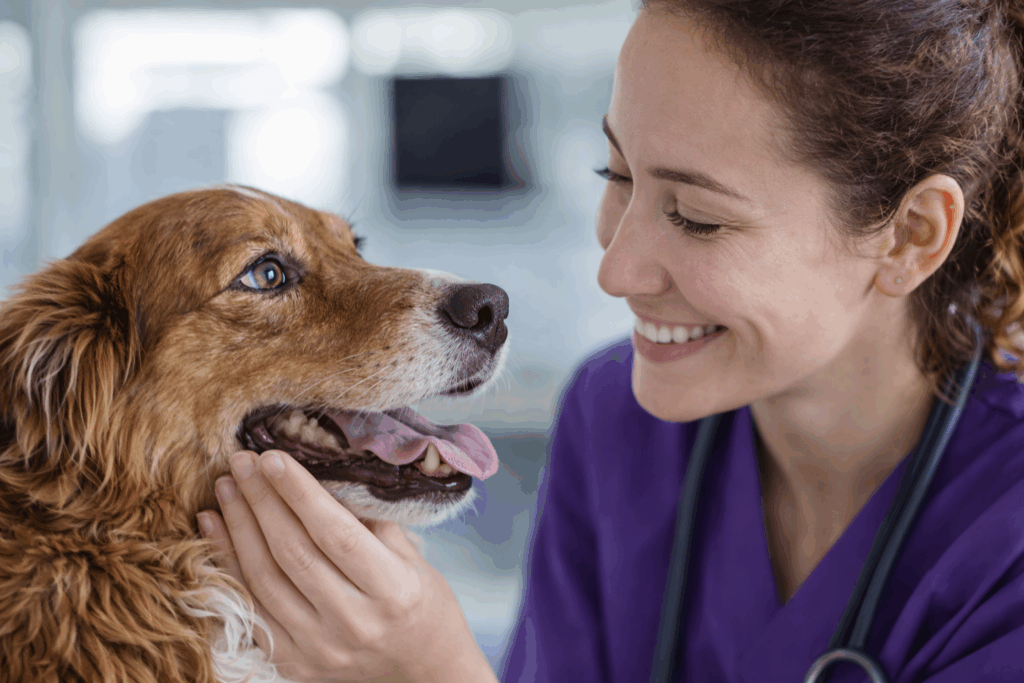
As most of the damage happens beneath the gum line, a definitive diagnosis requires a professional exam under general anaesthesia. This allows the vet to:
- Perform full mouth dental X-rays (essential to assess disease severity).
- Examine each tooth carefully.
- Measure gum pocket depths9.
Treatment Options
- Early stages: Professional cleaning (scaling and polishing) followed by strict home care.
- Advanced stages: Professional cleaning (scaling and polishing), tooth extractions, periodontal surgery5.
Prevention and Management
Effective prevention is a combination of home care and professional oversight.
- Monitor for early signs and regular checkups: Ensure you schedule annual dental examinations to catch problems early.
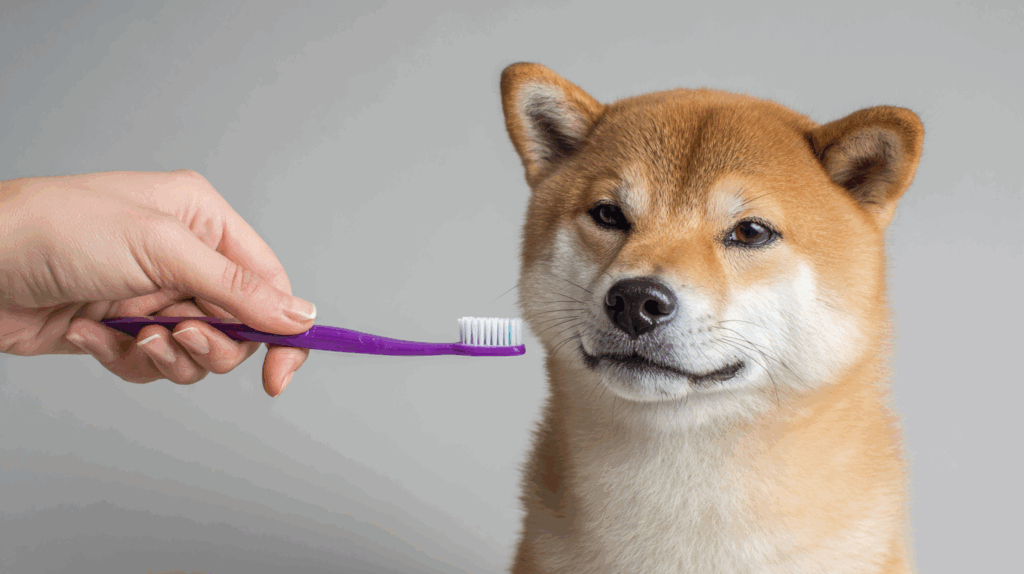
- Daily brushing: The most effective way to manage plaque is daily or regular brushing with pet-safe toothpaste10. Could you imagine if you never brushed your own teeth? The dental bills would be staggering!
- Supportive dental products: Water additives, dental diets, chews and toys can help slow plaque accumulation11.
Important: While dental chews, diets and water additives are great support tools, they don’t replace the benefits of regular tooth brushing.
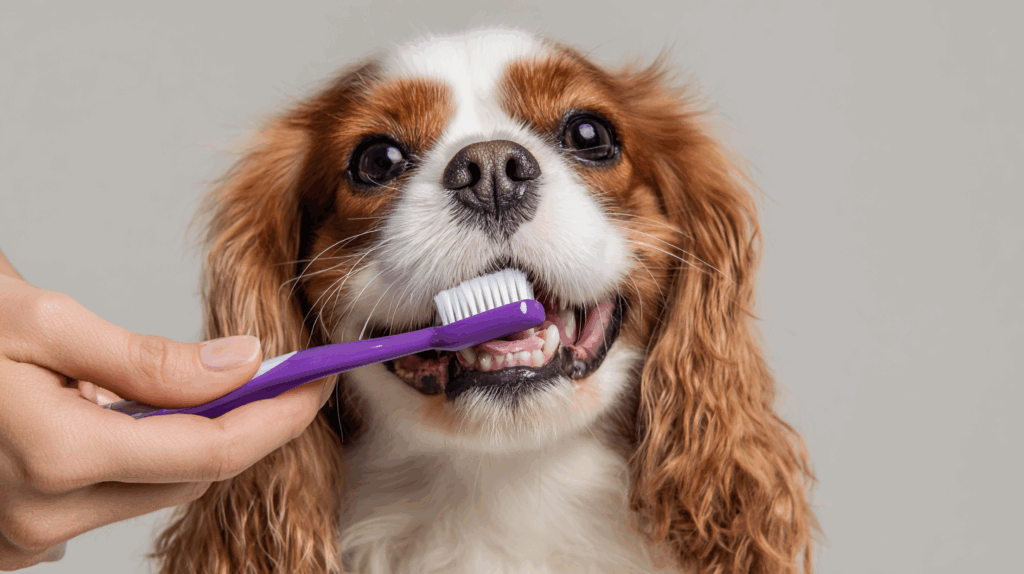
Tips for brushing success
- Brushing action is key: Tooth brushing is effective even without toothpaste, however using flavoured, pet-safe toothpaste can make the experience more enjoyable.
- Introduce the taste: Start by letting your pet lick small amount of flavoured, pet safe toothpaste off your finger.
- Acclimatise to touch: Gently lift your pet’s lips and gums with your finger. Once comfortable, introduce the toothbrush by touching it briefly to their front teeth.
- Master the technique: Once your pet is ready, use a gentle circular motion and angle the bristles at 45° towards the gum line.
- Positive reinforcement: Always follow a brushing session with high value rewards. Whether it’s a favourite toy, extra praise or some yummy treats, ending on a high note creates a positive association.
- Start small, then expand: Keep sessions short and stress free. Begin with the front teeth, then gradually move toward the back molars, increasing the duration as your pet becomes more relaxed12.
Can Pet Insurance Cover Periodontal Disease?
Petsy Pet Insurance may cover Vet Treatments for dental illnesses such as gingivitis and periodontitis if dental coverage is selected, and provided it is not a Pre-Existing Symptom and Condition. Routine or elective preventive care, like professional teeth cleaning, is not covered unless prescribed for a diagnosed condition. Dental coverage is only available for pets under three years of age at the time of applying for optional extra benefits.
References
- Mulherin BL. Periodontal disease in small animals [Internet]. [cited 2026 Jan 20]. Available from: https://www.msdvetmanual.com/digestive-system/dentistry-in-small-animals/periodontal-disease-in-small-animals
- Pereira dos Santos JD, Cunha E, Nunes T, Tavares L, Oliveira M. Relation between periodontal disease and systemic diseases in dogs. Research in Veterinary Science. 2019 Aug;125:136–40. doi:10.1016/j.rvsc.2019.06.007
- O’Neill DG, Blenkarn A, Brodbelt DC, Church DB, Freeman A. Periodontal disease in cats under Primary Veterinary Care in the UK: Frequency and risk factors. Journal of Feline Medicine and Surgery. 2023 Mar;25(3). doi:10.1177/1098612×231158154
- Periodontal Disease in Small Animals [Internet]. [cited 2026 Jan 20]. Available from: https://www.merckvetmanual.com/
- O’Neill DG, Mitchell CE, Humphrey J, Church DB, Brodbelt DC, Pegram C. Epidemiology of periodontal disease in dogs in theukprimary‐care veterinary setting. Journal of Small Animal Practice. 2021 Aug 9;62(12):1051–61. doi:10.1111/jsap.13405
- Santibáñez R, Rodríguez-Salas C, Flores-Yáñez C, Garrido D, Thomson P. Assessment of changes in the oral microbiome that occur in dogs with periodontal disease. Veterinary Sciences. 2021 Nov 27;8(12):291. doi:10.3390/vetsci8120291
- Watson A. Diet and periodontal disease in dogs and cats. Australian Veterinary Journal. 1994 Oct;71(10):313–8. doi:10.1111/j.1751-0813.1994.tb00905.x
- Bend JE. Educating pet owners beyond the gumline [Internet]. Royal Canin Academy; [cited 2026 Jan 20]. Available from: https://academy.royalcanin.com/en/veterinary/educating-pet-owners-beyond-the-gumline
- Bellows J, Berg ML, Dennis S, Harvey R, Lobprise HB, Snyder CJ, et al. 2019 Aaha Dental Care Guidelines for dogs and cats*. Journal of the American Animal Hospital Association. 2019;55(2):49–69. doi:10.5326/jaaha-ms-6933
- Niemiec B, Gawor J, Nemec A, Clarke D, McLeod K, Tutt C, et al. World Small Animal Veterinary Association Global Dental Guidelines. Journal of Small Animal Practice. 2020 Jul;61(7). doi:10.1111/jsap.13132
- Harvey C, Serfilippi L, Barnvos D. Effect of frequency of brushing teeth on plaque and calculus accumulation, and gingivitis in dogs. Journal of Veterinary Dentistry. 2015 Mar;32(1):16–21. doi:10.1177/089875641503200102
- Gawor J, Jank M, Harvey CE, Nicolas CS. Effectiveness of dental homecare protocols in unscaled dogs. Journal of Veterinary Dentistry. 2024 Nov 25;42(3):176–81. doi:10.1177/08987564241292769