
Understanding Elbow Dysplasia
in dogs and cats

Causes, symptoms, and treatment

Key symptomsLimping, stiffness, joint pain, reduced activity, swollen elbows
CommonalityHigh in large and giant dog breeds, rare in cats
TransmissionNot contagious
Impact on health Medium to High
Treatment cost~$1,000 to $6,000 AUD
(depending on severity and treatment)
Treatment durationSeveral weeks to months
Ease of preventionModerate

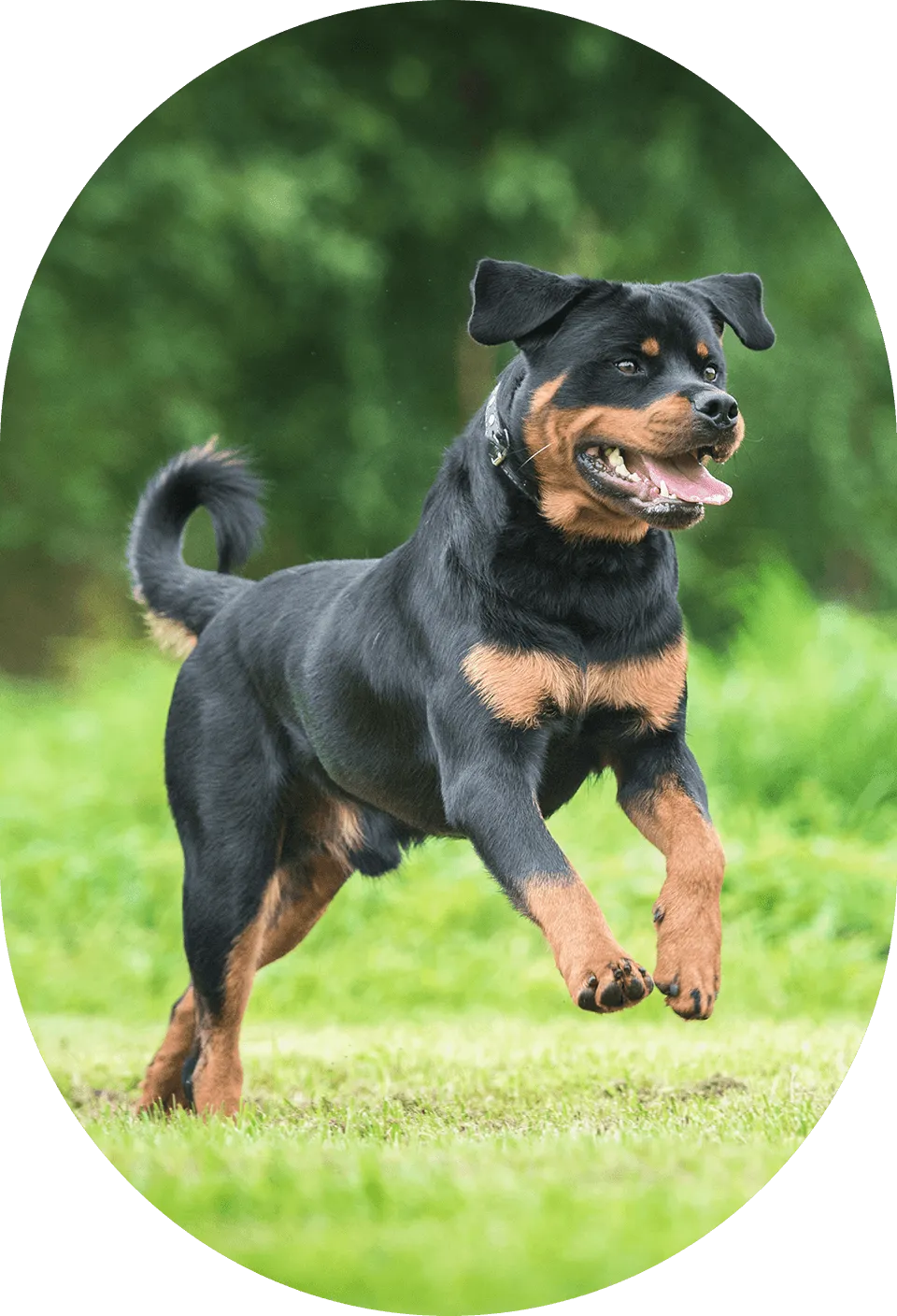
Most affected dog breeds

Most affected cat breeds

What is Elbow Dysplasia

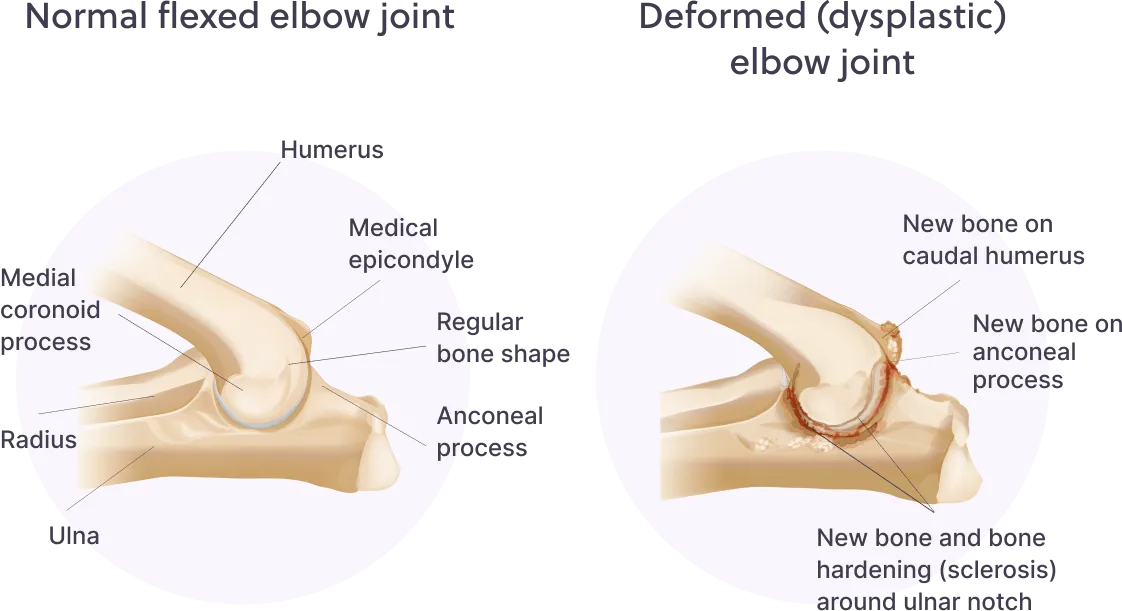
The elbow joint works like a hinge, connecting three bones so your pet can bend and move smoothly. In elbow dysplasia, these bones do not fit together perfectly as they grow, creating uneven pressure and wear. This can lead to pain, swelling, and arthritis, especially in large and fast-growing dogs.

Elbow dysplasia refers to abnormal development of the elbow joint caused by one or more growth disturbances. The condition often involves one or more of the following:

  • Fragmented Coronoid Process (FCP)
  • Osteochondritis Dissecans (OCD) of the humeral condyle
  • Ununited Anconeal Process (UAP)
  • Elbow incongruity (misalignment of joint surfaces) These abnormalities result in joint instability, cartilage erosion, and progressive osteoarthritis.

Key takeaways

Importance for pet owners

Elbow dysplasia can cause chronic pain and reduced mobility if left untreated. Recognising early signs and getting veterinary attention quickly can make a big difference. Most pets respond well to treatment and lifestyle management, especially when diagnosed early.

Understanding Elbow Dysplasia

The elbow joint is made up of three bones: the humerus, radius, and ulna. For the joint to function properly, these bones must align perfectly. In elbow dysplasia, one or more parts of the joint fail to develop evenly, causing friction and damage inside the joint.

This uneven wear leads to inflammation, cartilage loss, and arthritis, which can make movement painful and stiff over time.

Causes of Elbow Dysplasia

Genetic factors

Elbow dysplasia is primarily inherited. Large and giant breeds are predisposed, and the risk increases when both parents carry the genetic tendency. Responsible breeders screen for joint diseases to reduce the risk in puppies.

Rapid growth

Fast growth during puppyhood, especially in large breeds, can cause uneven bone development. This imbalance puts extra stress on the elbow joint.

Nutrition

Overfeeding or providing excessive calcium and calories can accelerate bone growth and increase the risk of joint problems. Feeding a balanced diet suitable for large-breed puppies 
is important.

Trauma or overuse

Injury or repetitive strain can worsen existing joint issues, particularly in growing dogs. Avoid intense or repetitive high-impact activity in young, large-breed pets.

Symptoms of Elbow Dysplasia

Early signs:

Progressive signs:

Tip:

If your dog limps on the same front leg or becomes stiff after exercise, schedule a vet visit. Early detection can reduce long-term joint damage.

Diagnosis of Elbow Dysplasia

Clinical examination

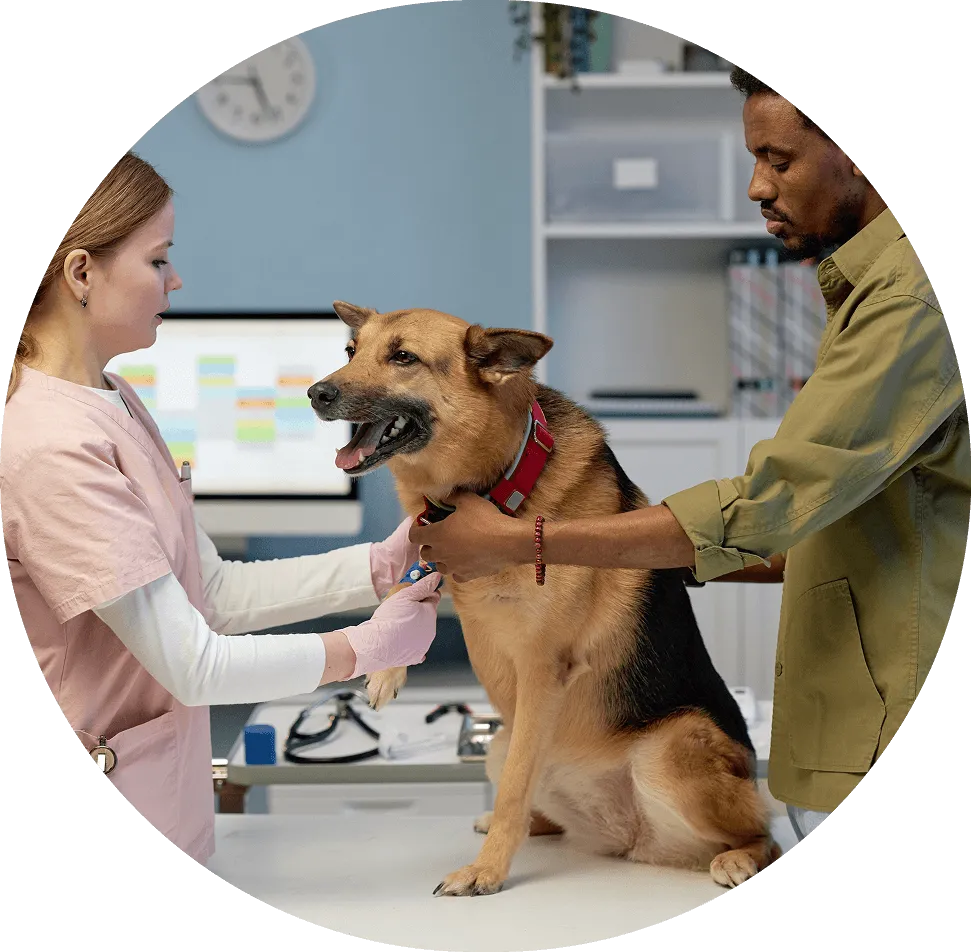
Your vet will observe your pet’s gait and check for pain, swelling, and range of motion in the elbows. They may also test both limbs, as elbow dysplasia often affects both sides.

Imaging tests

  • X-rays: Used to identify bone abnormalities or arthritis.
  • CT scan: Offers detailed images to pinpoint subtle defects in bone structure.
  • Arthroscopy: A small camera is inserted into the joint to confirm diagnosis and sometimes treat the issue during the same procedure.

Age and risk

Elbow dysplasia typically appears in dogs between 4 and 18 months old, although signs can emerge later due to arthritis.

Treatment for Elbow Dysplasia

Treatment depends on the severity of the joint changes and whether one or both elbows are affected.

Mild cases or pets with early-stage arthritis may benefit from:

  • Weight management: Keeping your pet lean reduces joint stress.
  • Pain relief and anti-inflammatories: To reduce discomfort and inflammation.
  • Joint supplements: Such as glucosamine, chondroitin, and omega-3 fatty acids.
  • Physiotherapy: Controlled exercise, hydrotherapy, and massage to improve mobility.
  • Lifestyle changes: Avoid high-impact play, jumping, and slippery surfaces.

Surgery is often recommended for severe or advanced cases. Procedures may include:

  • Arthroscopy: Minimally invasive surgery to remove bone fragments or smooth joint surfaces.
  • Corrective osteotomy: Realignment of bones to improve joint mechanics.
  • Joint replacement or fusion: In rare, severe cases with advanced arthritis.

Surgery aims to relieve pain, improve limb function, and slow arthritis progression.

Postoperative care for Elbow Dysplasia

Recovery

Recovery usually takes several weeks to months. Pets need rest, controlled exercise, and follow-up visits to monitor healing.

Rehabilitation

Physiotherapy, hydrotherapy, and gentle exercises help rebuild strength and flexibility. Adhering to the vet’s plan is key to long-term success.

Long-term management

Even after recovery, ongoing care such as weight control, joint supplements, and regular vet checkups help prevent recurrence or worsening arthritis.

Cost of treatment for Elbow Dysplasia

Treatment costs vary based on diagnosis, type of surgery, and ongoing management:

Prices vary by clinic and location. Pet insurance can help offset these costs.

Prevention tips for Elbow Dysplasia

Responsible breeding

Choose breeders who screen breeding dogs for elbow dysplasia through recognised scoring programs

Controlled growth

Feed a balanced, large-breed puppy diet and avoid over-supplementation of calcium or calories.

Weight management

Keep your pet at a healthy weight to reduce strain on the joints throughout life.

Safe exercise

Provide regular, low-impact exercise to strengthen muscles without overloading joints. Avoid repetitive jumping, long runs, or rough play during growth.

Early veterinary care

Regular vet visits during the growth period can detect joint issues early and prevent further injury.

Getting Elbow Dysplasia covered with pet insurance

What is Petsy Pet Insurance?

Petsy reimburses 80% or 90% of eligible vet costs for unexpected injuries or illnesses once waiting periods have passed. You can customise your cover by choosing your annual limit, benefit percentage, and excess. Claims can often be submitted directly by your vet.

Petsy also offers a complimentary Pre-Existing Condition Assessment that reviews your pet’s medical history to help clarify what may be covered.

What is a pre-existing symptom or condition?

Any signs or symptoms of an illness or health issue your pet shows before the exclusion period is over are considered pre-existing symptoms and conditions and won’t be covered. 

Elbow Dysplasia is a Specified Condition with a 6 month exclusion period. 
Once this period has passed without symptoms, it may be covered if it is 
not pre-existing.

Does Petsy cover Elbow Dysplasia?

Petsy covers eligible costs for elbow dysplasia as long as it’s not pre-existing and no signs or symptoms of elbow dysplasia appeared during the exclusion period. Starting your policy early ensures your pet is protected before any symptoms arise.

How Petsy pet insurance can help

Elbow Dysplasia can be costly to manage, especially if surgery or lifelong care is required. Petsy Pet Insurance can help cover eligible costs for diagnostics, surgery, pain relief, and rehabilitation related to elbow dysplasia, giving you peace of mind when your pet needs it most.

Waiver form

You can apply to reduce the 6 month exclusion period for Specified Conditions including Elbow Dysplasia.

How to apply:

  1. Complete Part 1 of the Waiver Form.
  2. Have your vet examine your pet and complete Part 2.
  3. Submit the completed form and your pet’s full vet history within 14 days 
of the visit.
  4. We will review it and issue an updated Certificate of Insurance if approved.

You can find the form under Policy Documents on our website or contact us to request a copy.

Conclusion

Elbow dysplasia can significantly affect your pet’s comfort and mobility, but early diagnosis and proper care make a big difference. Keeping your pet at a healthy weight, managing exercise, and ensuring early veterinary attention all help to slow its progression.

Having pet insurance in place before symptoms appear ensures your pet is protected if treatment or surgery becomes necessary. With proactive care and support, most pets with elbow dysplasia can live full, happy lives.

Frequently asked questions about Elbow Dysplasia

It is a developmental condition where the bones in the elbow joint do not fit together properly, causing pain and arthritis over time.

Large breeds such as Labradors, Golden Retrievers, Rottweilers, and German Shepherds.

Limping, stiffness, swelling, or reluctance to play or exercise.

Through a combination of physical exams, X-rays, CT scans, or arthroscopy.

Mild cases can be managed with medication and physiotherapy, while severe cases may need surgery to remove bone fragments or correct alignment.

Specified Conditions includes:

  • Cruciate ligament damage
  • Intervertebral disc disease
  • Hip dysplasia
  • Patella luxation
  • Elbow dysplasia
  • Cherry eye
  • Entropion
  • Ectropion,
  • Osteochondritis dissecans (‘OCD’)
  • Lumps

Lumps means the protuberance or localised area of swelling or unusual growth that can occur anywhere on or in the body including tumours, warts, cysts, growths, mucoceles, haematomas and abscesses.

You can apply to reduce the 6-month exclusion period for Specified Conditions by using our request for Waiver Form. Simply take this form to your next vet visit and submit the completed form back to [email protected] within 14 days of the visit.

Optional Extra Benefits

During the application process You will be provided with the option to include Optional Extra Benefits that cover certain conditions and Treatments which are not otherwise covered under the Policy.

The Optional Extra Benefits are:

Alternative Therapies, Behavioural Problems, and Dental Illness.

Examples of Alternative Therapies: Acupuncture, physiotherapy, hydrotherapy.

Examples of Behavioural Problems: Excessive licking, fur pulling, pacing and destructive chewing.

Examples of Dental Illnesses: Dental diseases, gingivitis, periodontal disease.