| Key symptoms | Red or pink lump in the corner of the eye, watery discharge, irritation, pawing at the eye |
| Commonality | Moderate (more common in young dogs) |
| Transmission | Not contagious |
| Impact on health | Mild to moderate (can become serious if untreated) |
| Treatment cost | ~$500 to $2,000 AUD (depending on surgery and follow-up care) |
| Treatment duration | 2 to 4 weeks post-surgery |
| Ease of prevention | Difficult |
Most affected dog breeds
Most affected cat breeds
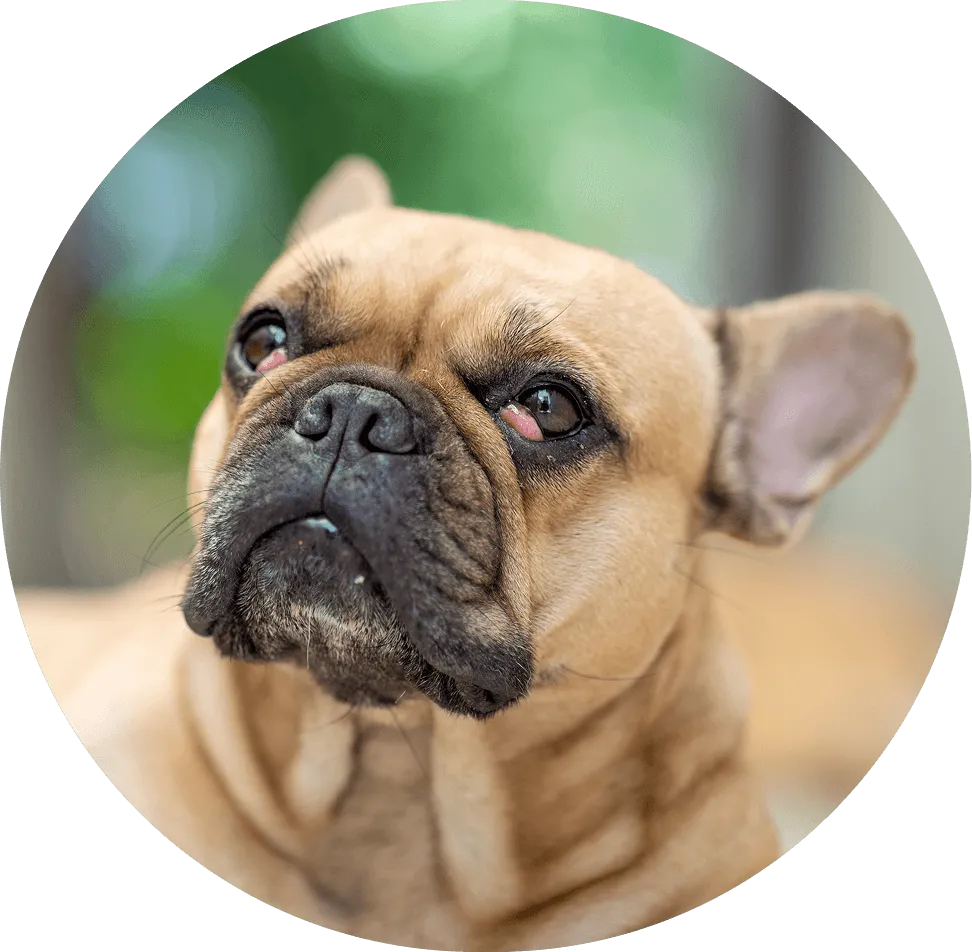
In your pet’s eye, there’s a hidden “third eyelid” that helps produce tears and protect the eye. Cherry eye happens when the small gland attached to this eyelid slips out of place, creating a red or pink lump in the inner corner of the eye. It may look alarming but is usually treatable.
Cherry eye (prolapsed gland of the nictitating membrane) occurs when the connective tissue anchoring the tear gland of the third eyelid weakens. The gland pops out, becoming exposed to air and bacteria. Without treatment, chronic inflammation can reduce tear production and lead to dry eye (keratoconjunctivitis sicca).
While cherry eye is not usually painful, it can cause discomfort, excessive tearing, and eye infections if ignored. Prompt veterinary care ensures the gland is safely repositioned, protecting your pet’s vision and preventing future complications. Early surgery typically leads to excellent recovery and long-term comfort.
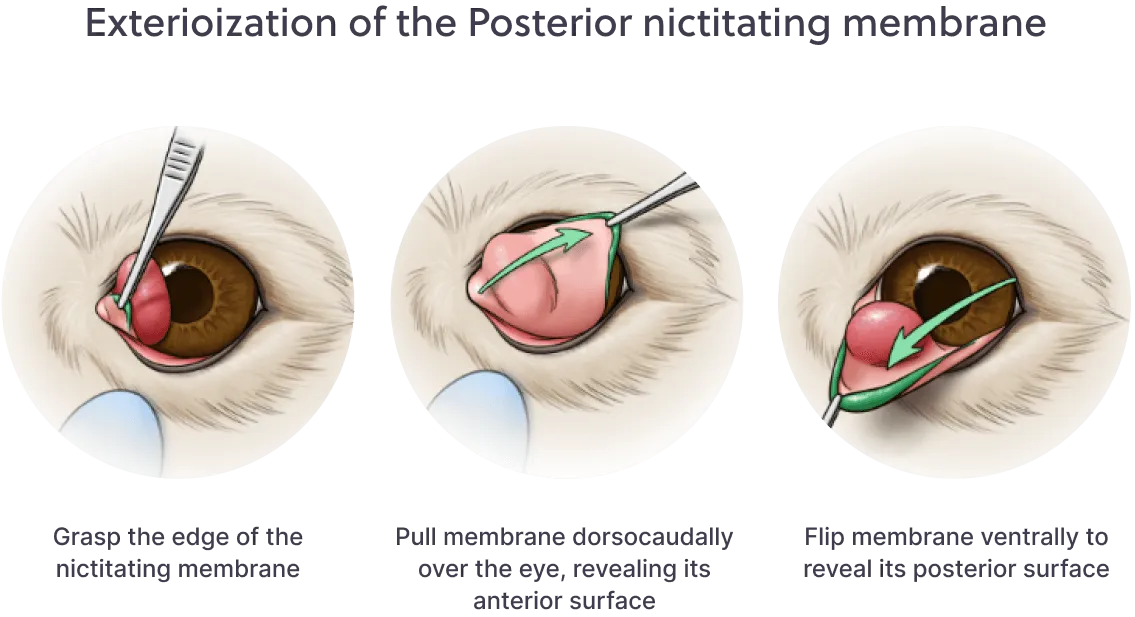
Dogs and cats have three eyelids: an upper lid, a lower lid, and a third eyelid that moves diagonally across the eye. The gland in this third eyelid produces up to 40% of your pet’s tears.
When the ligament holding this gland weakens, the gland slips out of place and becomes visible. It often appears as a soft, round, red mass in the inside corner of the eye. Cherry eye can affect one or both eyes and often appears in young dogs under two years old.
Genetic predisposition
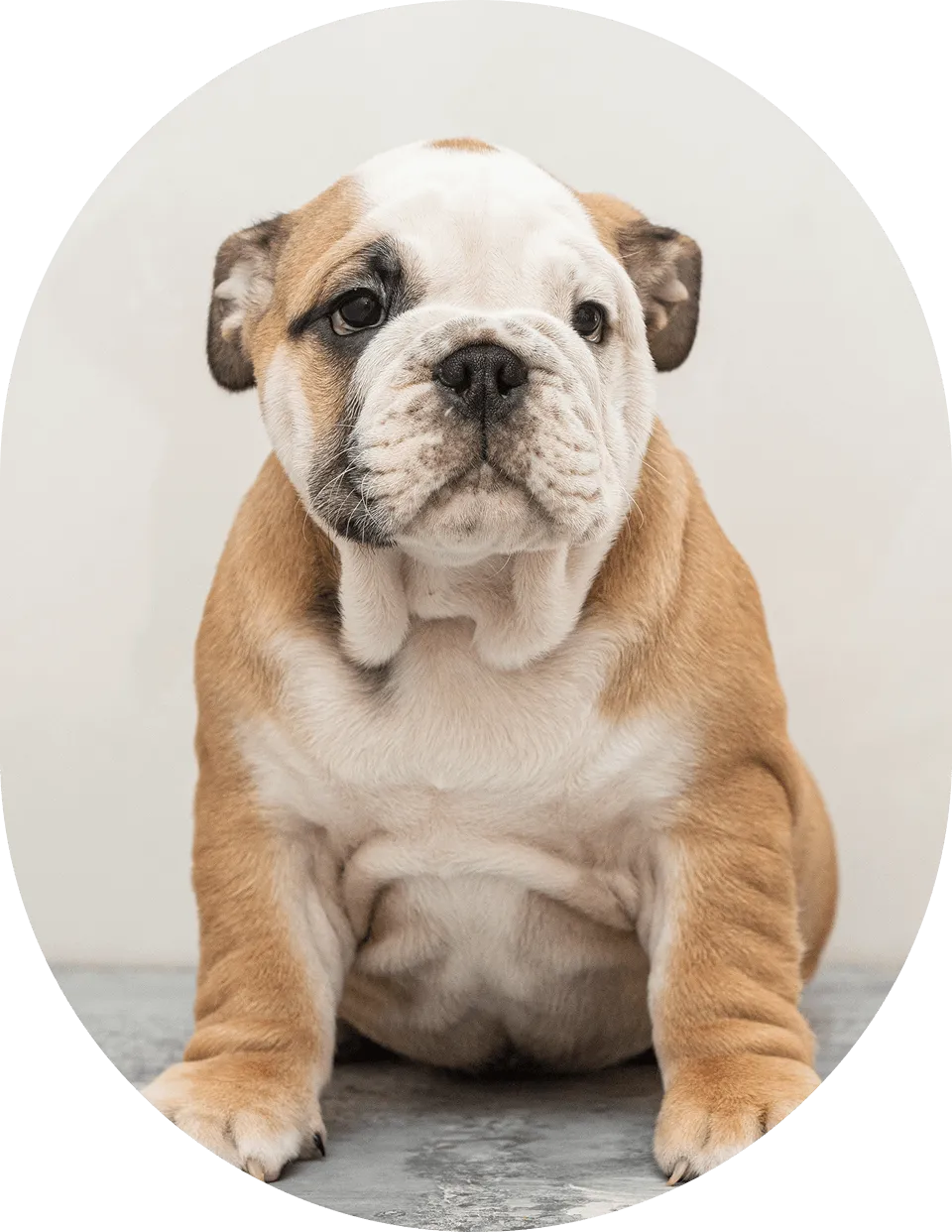
Cherry eye often runs in families. Breeds like Bulldogs, Cocker Spaniels, and Beagles have a higher risk due to their facial structure and shallow eye sockets.
Weak ligaments
Some pets are born with weak connective tissues around the tear gland, making it easier for the gland to pop out of place.
Age
Some pets are born with weak connective tissues around the tear gland, making it easier for the gland to pop out of place.
Inflammation or infection
Chronic eye irritation, rubbing, or allergies can weaken the tissues supporting the gland, leading to prolapse.
The most obvious sign is a round, pink or red mass in the inner corner of one or both eyes. It may appear suddenly and can change in size throughout the day.
The affected eye often tears excessively or produces clear or yellow discharge.
Pets may rub or scratch the affected eye, causing further inflammation or injury.
If the gland remains prolapsed and inflamed for too long, it may lose its ability to produce tears, leading to chronic dry eye.
Tip:
Never try to push the gland back into place yourself. Always see your vet as soon as you notice the lump.
Clinical examination
Your vet can diagnose cherry eye by looking at your pet’s eye. In most cases, no further tests are needed. The vet may check tear production and inspect both eyes to rule out infection or other conditions.
Eye staining
Fluorescein staining may be used to check for corneal ulcers if the pet has been rubbing the eye or if discharge is present.
Differentiation
Your vet will ensure the swelling is a prolapsed tear gland and not a growth, cyst, or another eye issue.
In mild or early cases, anti-inflammatory eye drops or ointments may reduce swelling. However, this is usually only a short-term measure and does not fix the underlying problem.
Surgery is the most effective way to treat cherry eye. The goal is to reposition the gland, not remove it, so it can continue to produce tears.
Common surgical methods include:
Removing the gland is no longer recommended because it increases the risk of dry eye later in life.

Recovery
Recovery usually takes two to four weeks. Pets may need to wear an Elizabethan collar to prevent rubbing and may receive anti-inflammatory drops and antibiotics.

Monitoring
Mild swelling or redness is normal for the first few days. If the gland prolapses again, another surgery may be needed, although most pets recover well after one procedure.

Follow-Up
Your vet will schedule checkups to ensure healing and tear production are normal.
The cost of treating cherry eye can vary depending on whether one or both eyes are affected and the complexity of surgery.
Costs vary by location and veterinary practice. Pet insurance can help cover these expenses.
Responsible breeding
Choose breeders who avoid breeding dogs with a history of cherry eye, as the condition can be hereditary.
Gentle handling
Avoid rough play or trauma around your pet’s eyes. Use soft, damp cloths when cleaning tear stains or debris.
Routine eye checks
Regularly check your pet’s eyes for redness, swelling, or discharge. Schedule vet visits promptly if changes appear.
Maintain eye health
Feed a balanced diet with omega-3 fatty acids to support healthy tissues, and keep your pet’s eyes clean and moisturised with vet-recommended drops if prone to dryness.
What is Petsy Pet Insurance?
Petsy reimburses 80% or 90% of eligible vet costs for unexpected illnesses or injuries once any exclusion periods have ended. Coverage can be tailored to your budget and your pet’s needs. Claims can be submitted directly by your vet, making the process simple.
Petsy also offers a complimentary Pre-Existing Condition Assessment, helping pet parents understand what’s covered based on their pet’s medical history.
What is a pre-existing symptom or condition?
Any signs or symptoms of an illness or health issue your pet shows before the exclusion period is over are considered pre-existing symptoms and conditions and won’t be covered.
Cherry eye is a Specified Condition with a 6 month exclusion period. Once that period has passed without signs or symptoms, it may be covered if it is not pre-existing.
Does Petsy cover Cherry Eye?
Petsy covers eligible costs for cherry eye as long as it’s not pre-existing and no signs or symptoms of cherry eye appeared during the exclusion period. Starting your policy early ensures your pet is protected before any symptoms arise.
How Petsy pet insurance can help
Surgical correction for cherry eye can be expensive. Having Petsy Pet Insurance before any symptoms appear helps cover eligible costs for surgery, medication, and follow-up care related to cherry eye.
You can apply to reduce the 6 month exclusion period for Specified Conditions including cherry eye.
How to apply:
You can find the form under Policy Documents on our website or contact us to request a copy.
Cherry eye may look concerning, but it is a manageable condition when treated early. With prompt vet care and proper surgery, most pets make a full recovery and maintain healthy tear production. Regular eye checks, responsible breeding, and early insurance coverage can all help manage your pet’s long-term eye health and care.
Cherry eye is the prolapse of the tear gland in the third eyelid, causing a red lump in the corner of the eye.
It may cause irritation or discomfort but is not usually painful at first. If untreated, it can lead to infection or dry eye.
Bulldogs, Beagles, Cocker Spaniels, and other short-nosed breeds.
Usually through surgery to reposition the gland.
In some cases, yes, but recurrence rates are low when the gland is properly repositioned.
Specified Conditions includes:
Lumps means the protuberance or localised area of swelling or unusual growth that can occur anywhere on or in the body including tumours, warts, cysts, growths, mucoceles, haematomas and abscesses.
You can apply to reduce the 6-month exclusion period for Specified Conditions by using our request for Waiver Form. Simply take this form to your next vet visit and submit the completed form back to [email protected] within 14 days of the visit.
During the application process You will be provided with the option to include Optional Extra Benefits that cover certain conditions and Treatments which are not otherwise covered under the Policy.
The Optional Extra Benefits are:
Alternative Therapies, Behavioural Problems, and Dental Illness.
Examples of Alternative Therapies: Acupuncture, physiotherapy, hydrotherapy.
Examples of Behavioural Problems: Excessive licking, fur pulling, pacing and destructive chewing.
Examples of Dental Illnesses: Dental diseases, gingivitis, periodontal disease.