Understanding Entropion in 
dogs and cats

Causes, symptoms, and treatment

Key symptoms Squinting, eye rubbing, tearing, redness, cloudiness, sensitivity to light
Commonality Moderate (more common in dogs than cats)
Transmission Not contagious
Impact on health Moderate to severe if untreated
Treatment cost $800 to $2,500 AUD (depending on surgery and follow-up)
Treatment duration 2 to 4 weeks after surgery
Ease of prevention Difficult

Most affected dog breeds

Most affected cat breeds

What is Entropion

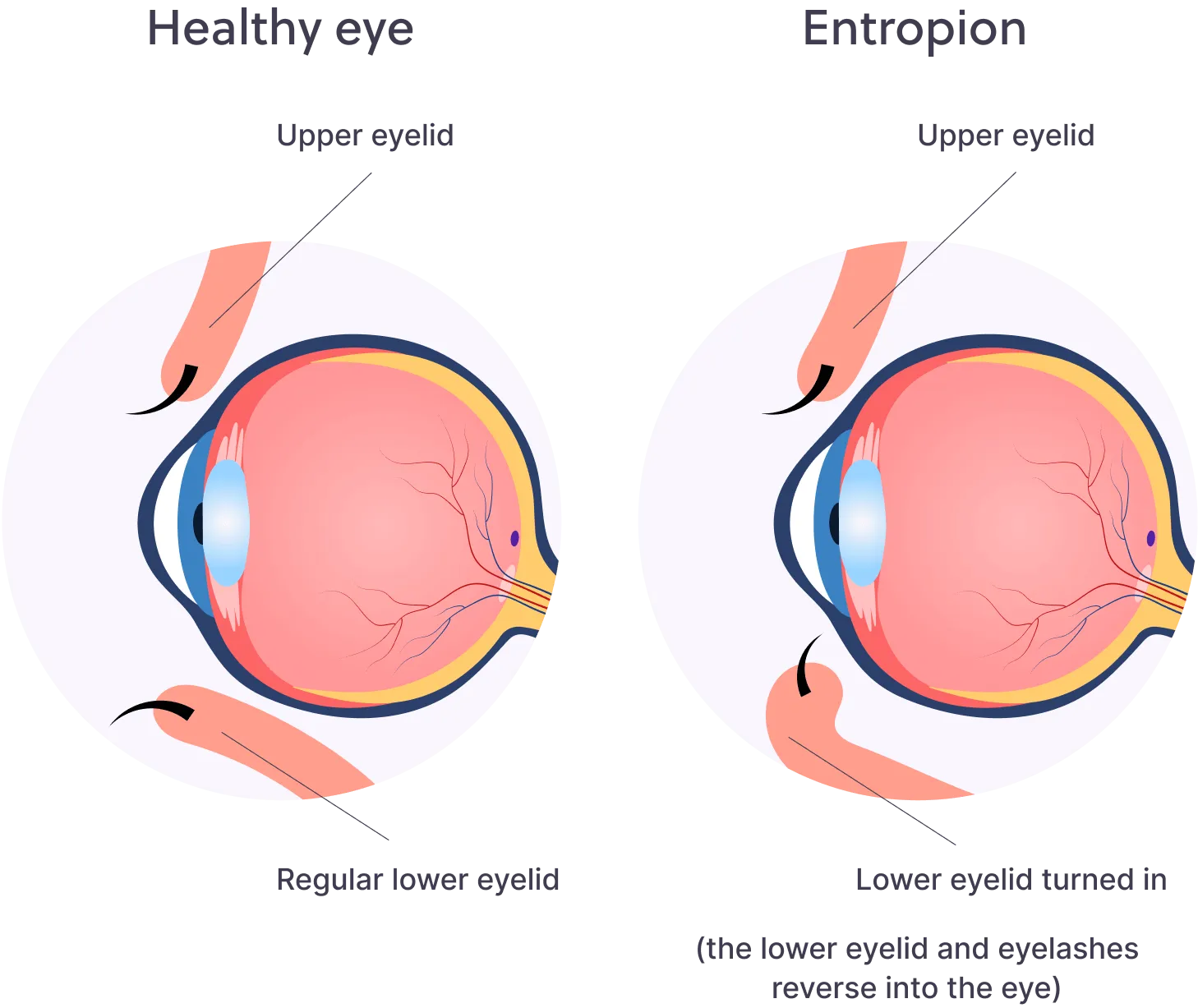
Entropion happens when your pet’s eyelid turns inward instead of sitting flat against the eye. This makes the eyelashes or surrounding fur rub against the surface of the eye, causing discomfort and irritation. Over time, it can lead to redness, tearing, or even damage to the cornea (the clear surface of the eye).

Entropion is an eyelid malformation that causes the eyelid margin to invert toward the eye, allowing the eyelashes or periocular hairs to contact the cornea and conjunctiva. This constant friction can lead to keratitis, corneal ulcers, and scarring. The condition can be congenital, developmental, or acquired through trauma or chronic inflammation.

Key takeaways

Importance for pet owners

Entropion can cause constant pain and vision issues if left untreated. Pets often rub their eyes or keep them partly closed because of discomfort. Early veterinary care is essential to relieve pain, prevent corneal ulcers, and preserve vision. Surgery is usually very effective and greatly improves your pet’s quality of life.

Understanding Entropion

The eyelids are meant to protect the eyes, not irritate them. In entropion, one or both eyelids roll inward, making the eyelashes or hair continuously rub on the eye’s surface. This irritation causes tearing, inflammation, and pain.

Entropion can affect:

Causes of Entropion

Genetic predisposition

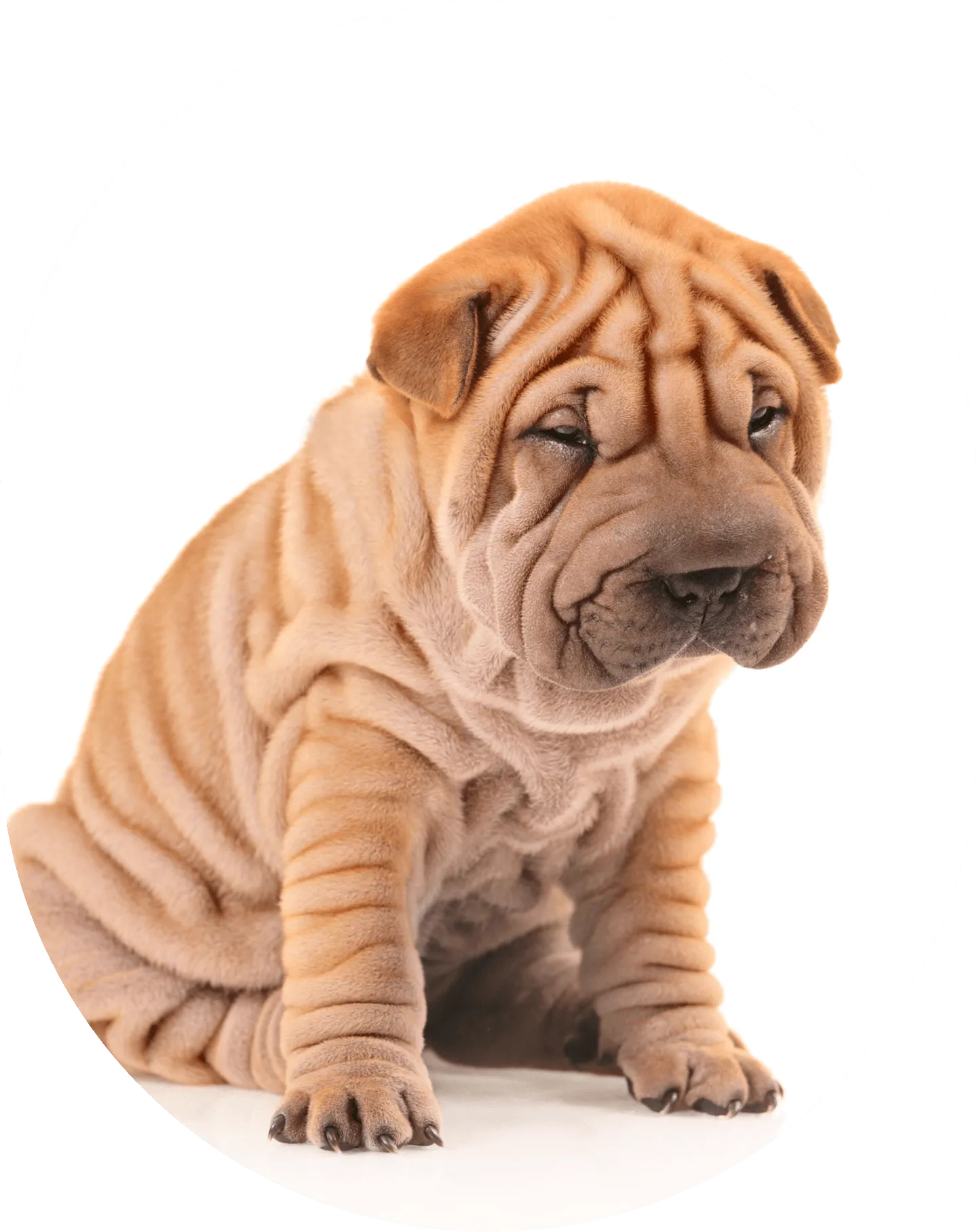
Certain breeds are genetically prone to entropion, especially those with loose skin, short muzzles, or deep-set eyes. Shar Peis, Bulldogs, and Chow Chows are well-known examples. In cats, Persians and Burmese are most at risk.

Excess skin or facial folds

Dogs with wrinkled faces or heavy facial folds often develop entropion because excess skin pushes the eyelids inward.

Scarring or injury

Previous eye injuries or infections can cause scarring that pulls the eyelid inward.

Chronic eye inflammation

Repeated irritation or inflammation, such as from allergies or conjunctivitis, can alter eyelid position over time.

Aging

As pets get older, loss of muscle tone around the eyes can cause the eyelids to sag and 
roll inward.

Symptoms of Entropion

Common symptoms:

Severe symptoms:

Tip:

If you notice your pet squinting or rubbing their eyes frequently, visit your vet promptly. Early treatment prevents long-term damage.

Diagnosis of Entropion

Physical examination

Your vet will examine the eyelids to assess how much they roll inward and check for corneal irritation or ulcers.

Fluorescein staining

A special dye test may be used to detect scratches or ulcers on the eye’s surface caused by the inward-turning lashes.

Breed and age assessment

Your vet will consider your pet’s breed, age, and facial structure, as these often influence the diagnosis and treatment plan.

Treatment for Entropion

For young animals with mild entropion, temporary measures such as lubricating eye drops or tacking sutures (small stitches to roll the eyelid out) may be used until the face fully develops.

Surgery is the most effective and permanent solution for entropion. The procedure reshapes or tightens the eyelid to prevent it from rolling inward.

Types of surgery may include:

  • Eyelid resection: Removing a small section of skin to roll the eyelid back into normal position
  • Tacking or stapling: Temporarily securing the eyelid in place for puppies that may grow out of 
the condition.
  • Reconstructive Surgery: Used for severe or acquired cases involving scar tissue or deformity.

Surgery has a high success rate and provides immediate relief from discomfort.

Postoperative care for Entropion

Recovery

After surgery, pets typically wear an Elizabethan collar to prevent rubbing. Healing usually takes 2 to 4 weeks.

Medication

Your vet will prescribe antibiotics and anti-inflammatory drops to reduce swelling and prevent infection.

Follow-up

Regular checkups ensure the eyelid heals correctly and that the eye remains lubricated and comfortable. In some cases, minor touch-up procedures may be needed.

Cost of treatment for Entropion

The cost of treating entropion varies depending on the severity, number of eyelids affected, and surgical technique used.

Costs vary by clinic and region. Pet insurance can significantly help to cover eligible emergency surgery and hospitalisation costs.

Prevention tips for Entropion

Responsible breeding

Choose breeders who screen for entropion and avoid breeding affected animals, especially in high-risk breeds.

Routine eye checks

Regularly inspect your pet’s eyes for signs of redness, tearing, or squinting. Early treatment can prevent ulcers and long-term damage.

Maintain eye health

Keep your pet’s eyes clean and free from debris. Wipe away discharge gently with a soft, damp cloth.

Manage facial folds

For wrinkled breeds, keep skin folds clean and dry to reduce irritation and pressure on the eyelids.

Getting Entropion covered with pet insurance

What is Petsy Pet Insurance?

Petsy reimburses 80% or 90% of eligible vet costs for unexpected illnesses or injuries once the exclusion periods have passed. You can tailor your cover to your budget and pet’s needs, and vets can submit claims directly on your behalf.

Petsy also provides a complimentary Pre-Existing Condition Assessment to clarify what conditions may be covered based on your pet’s medical history.

What is a pre-existing symptom or condition?

Any signs or symptoms of an illness or health issue your pet shows before the exclusion period is over are considered pre-existing symptoms and conditions and won’t be covered. 

Entropion is a Specified Condition that has a 6 month exclusion period. This period needs to pass without symptoms, for us to cover treatment costs related to entropion.

Does Petsy cover Entropion?

Yes, Petsy covers eligible costs for entropion as long as it’s not pre-existing and no signs or symptoms of entropion appeared during the exclusion period. Starting your policy early ensures your pet is protected before any symptoms arise.

How Petsy Pet Insurance can help?

Surgery and aftercare for entropion can be costly, especially if both eyes are affected. Petsy can help to cover the eligible costs including surgery, medication, and follow-up care so your pet can get treatment when needed without financial stress.

Waiver form

You can apply to reduce the 6 month exclusion period for Specified Conditions including entropion.

How to apply:

  1. Complete Part 1 of the Waiver Form.
  2. Have your vet examine your pet and complete Part 2.
  3. Submit the completed form and your pet’s full medical history within 14 days of the visit.
  4. Petsy will review it and issue an updated Certificate of Insurance if approved.

You can find the Waiver Form on our website under Policy Documents or contact us directly to request a copy.

Conclusion

Entropion can be uncomfortable and painful for pets, but with early detection and proper treatment, it is highly manageable. Surgical correction provides long-term relief and helps prevent vision loss or scarring. Regular eye checks, responsible breeding, and early insurance coverage can all help protect your pet’s eyesight and comfort.

Frequently asked questions about Entropion

Entropion is a condition where the eyelid rolls inward, causing the lashes or skin to rub against the eye and cause irritation.

Shar Peis, Bulldogs, and other breeds with loose facial skin or short noses.

Squinting, eye rubbing, tearing, redness, and cloudiness in the eye.

Usually through surgery to correct the eyelid position. Mild cases in puppies may improve with temporary tacking stitches.

Recurrence is rare but can happen, particularly in breeds with heavy skin folds. Follow-up visits help ensure the eyelid heals correctly.

Specified Conditions includes:

  • Cruciate ligament damage
  • Intervertebral disc disease
  • Hip dysplasia
  • Patella luxation
  • Elbow dysplasia
  • Cherry eye
  • Entropion
  • Ectropion,
  • Osteochondritis dissecans (‘OCD’)
  • Lumps

Lumps means the protuberance or localised area of swelling or unusual growth that can occur anywhere on or in the body including tumours, warts, cysts, growths, mucoceles, haematomas and abscesses.

You can apply to reduce the 6-month exclusion period for Specified Conditions by using our request for Waiver Form. Simply take this form to your next vet visit and submit the completed form back to [email protected] within 14 days of the visit.

Optional Extra Benefits

During the application process You will be provided with the option to include Optional Extra Benefits that cover certain conditions and Treatments which are not otherwise covered under the Policy.

The Optional Extra Benefits are:

Alternative Therapies, Behavioural Problems, and Dental Illness.

Examples of Alternative Therapies: Acupuncture, physiotherapy, hydrotherapy.

Examples of Behavioural Problems: Excessive licking, fur pulling, pacing and destructive chewing.

Examples of Dental Illnesses: Dental diseases, gingivitis, periodontal disease.