| Key symptoms | Sagging eyelids, visible inner eyelid tissue, redness, watery eyes, recurring infections |
| Commonality | Moderate (more common in dogs than cats) |
| Transmission | Not contagious |
| Impact on health | Mild to Moderate (can become serious if untreated) |
| Treatment cost | ~$600 to $2,000 AUD (depending on severity and surgery type) |
| Treatment duration | 2 to 4 weeks post-surgery |
| Ease of prevention | Difficult |
Most affected dog breeds
Most affected cat breeds
Ectropion happens when your pet’s lower eyelid turns outward, leaving part of the inner eyelid exposed. This can make the eyes water constantly, look red, and become irritated. While it might not hurt at first, the exposed tissue can dry out and lead to infection if left untreated.
Ectropion is an eyelid conformation abnormality characterised by outward rolling or drooping of the eyelid margin, leading to exposure of the conjunctiva. This condition can cause chronic irritation, conjunctivitis, keratitis, and excessive tearing. It may be congenital, developmental, or acquired through trauma, facial nerve paralysis, or scarring.
Ectropion may seem minor but can become a recurring issue that affects your pet’s comfort and vision. Pets with sagging eyelids are more prone to eye infections and chronic inflammation. Identifying and treating it early helps prevent long-term damage and discomfort.
The eyelids play a crucial role in protecting the eyes, spreading tears evenly, and preventing dust from entering. In pets with ectropion, the lower eyelid sags or rolls outward, exposing delicate tissues that are normally protected.
This constant exposure leads to dryness, irritation, and sometimes secondary infections. Dogs with droopy or heavy facial skin are particularly prone, especially as they age or after eye inflammation.
Ectropion can affect one or both eyes and may appear on its own or alongside other eyelid issues such as entropion.
Genetic factors
Many breeds inherit a loose or heavy lower eyelid structure. Breeds like Bloodhounds, Basset Hounds, and Saint Bernards are especially susceptible due to their facial anatomy.
Age and muscle weakness
As dogs and cats age, the muscles supporting the eyelids can weaken, causing the eyelids 
to droop.
Scarring or trauma
Injury, previous surgery, or infection can cause scarring that pulls the eyelid downward.
Facial nerve paralysis
If the nerves controlling the eyelids are damaged, the muscles may lose tone, resulting 
in ectropion.
Chronic eye inflammation
Repeated irritation or conjunctivitis can stretch and weaken the eyelid tissues over time.
Mild symptoms:
Moderate to severe symptoms:
Tip:
If your pet’s eyes are always watery or red, it may not just be allergies. A vet check can help rule out ectropion or related eye conditions.
Physical examination
Your vet can usually diagnose ectropion through a visual inspection of the eyelids and conjunctiva.
Eye tests
Breed and history review
Your vet will consider your pet’s breed, age, and whether previous infections or injuries might be contributing to the condition.
Mild cases can often be managed with lubricating eye drops or ointments to keep the eye moist and reduce irritation.
Regular cleaning and vet-prescribed antibiotics may be used if there is mild conjunctivitis or discharge.
Severe or chronic cases usually require corrective surgery. The goal of surgery is to tighten or shorten the lower eyelid so that it sits snugly against the eye.
Common surgical approaches include:
Surgery generally has a high success rate and greatly improves comfort and appearance.

Recovery
Most pets recover within 2 to 4 weeks. They may wear an Elizabethan collar to prevent rubbing and will receive antibiotic and anti-inflammatory drops.

Monitoring
Swelling and redness are common for a few days after surgery. Your vet will recheck the eyes after one to two weeks to ensure healing is on track.

Long-term management
Some breeds may require ongoing tear lubrication even after surgery, especially those with naturally loose skin.
Treatment costs depend on the severity, whether both eyes are affected, and if reconstructive surgery is needed.
Costs vary by location and vet clinic. Pet insurance can help offset surgical and medical expenses.
Responsible breeding
Choose breeders who screen for eyelid issues and avoid breeding dogs with known eyelid deformities.
Routine eye checks
Regularly check your pet’s eyes for redness, discharge, or drooping. Schedule a vet visit if symptoms persist.
Proper eye hygiene
Keep your pet’s eyes clean by gently wiping away tears or debris with a soft, damp cloth.
Weight and skin care
Avoid excessive weight gain, as it can worsen sagging skin. Maintain clean and dry facial folds in droopy-faced breeds.
What is Petsy Pet Insurance?
Petsy reimburses 80% or 90% of eligible vet costs for unexpected illnesses or injuries once waiting periods have passed. Coverage is customisable, and claims can often be submitted directly by your vet.
Petsy also offers a complimentary Pre-Existing Condition Assessment to clarify which conditions are covered based on your pet’s history.
What is a pre-existing symptom or condition?
Any signs or symptoms of an illness or health issue your pet shows before the exclusion period is over are considered pre-existing symptoms and conditions and won’t be covered.Â
Ectropion is a Specified Condition that has a 6 month exclusion period. Once this period has passed without symptoms, it may be covered if it is not pre-existing.
Does Petsy cover Ectropion?
Petsy covers eligible costs for ectropion as long as it’s not pre-existing and no signs or symptoms of ectropion appeared during the exclusion period. Starting your policy early ensures your pet is protected before any symptoms arise.
How Petsy Pet Insurance can help?
Surgical correction for ectropion can be costly, especially if both eyes are affected. Petsy Pet Insurance can help to cover eligible costs for surgery, medication, and follow-up care related to ectropion.
You can apply to reduce the 6 month exclusion period for Specified Conditions including ectropion.
How to apply:
You can find the form under Policy Documents on our website or contact us directly to request a copy.
Ectropion may seem like a cosmetic issue, but it can cause chronic irritation and infection if untreated. With timely diagnosis, proper eye care, and corrective surgery, most pets recover fully and enjoy long-term comfort. Regular eye checks, responsible breeding, and early insurance coverage are key to keeping your pet’s eyes healthy and happy.
Ectropion is when the lower eyelid droops outward, exposing the inner eyelid tissue and leading to irritation.
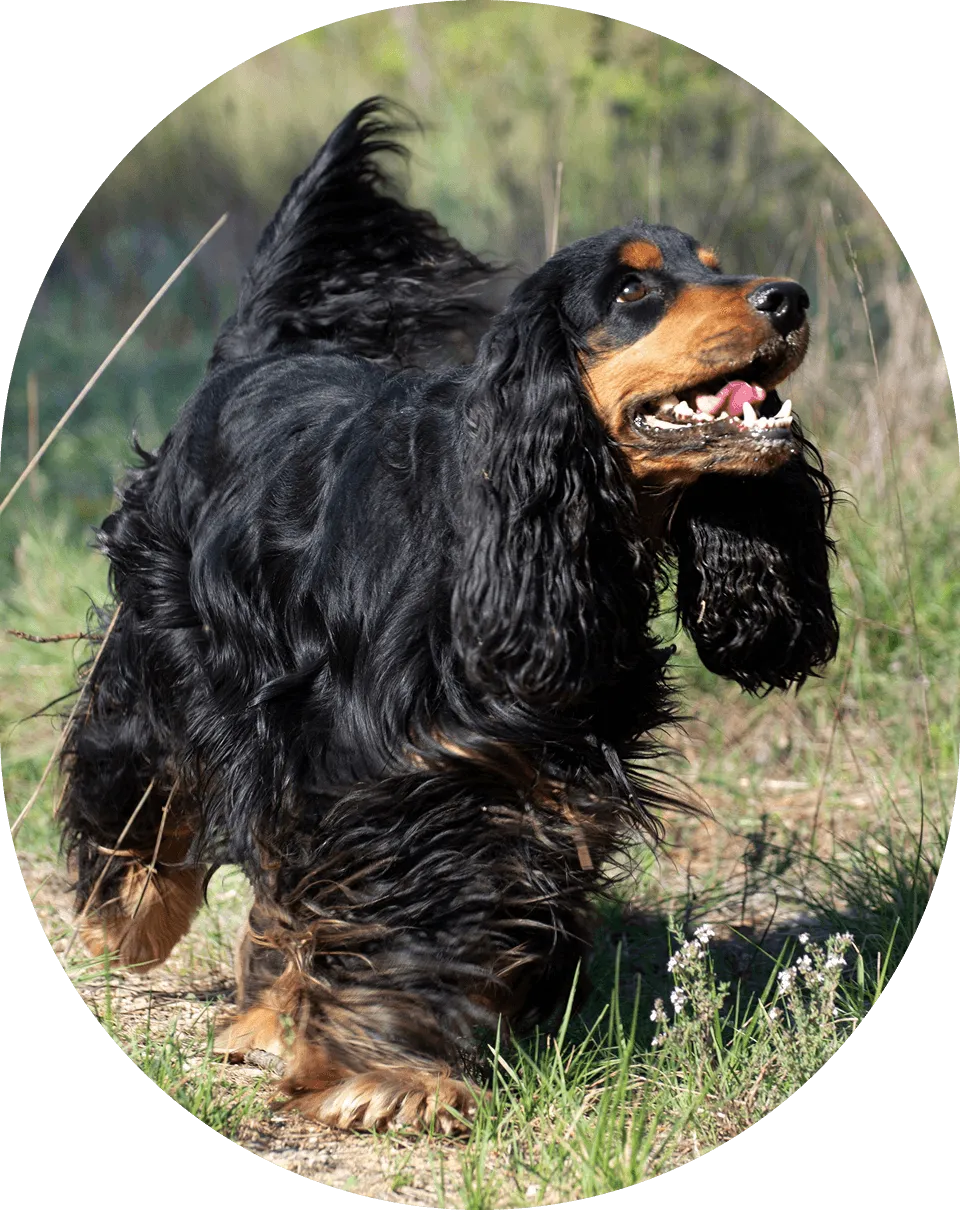
Bloodhounds, Basset Hounds, Cocker Spaniels, and Saint Bernards are commonly affected.
It can cause discomfort, dryness, and infection, but symptoms improve quickly with treatment.
Mild cases may only need lubrication, while severe cases require surgery to tighten the eyelid.
Yes, especially in breeds with very loose skin, but recurrence is uncommon with proper care and follow-up.
Specified Conditions includes:
Lumps means the protuberance or localised area of swelling or unusual growth that can occur anywhere on or in the body including tumours, warts, cysts, growths, mucoceles, haematomas and abscesses.
You can apply to reduce the 6-month exclusion period for Specified Conditions by using our request for Waiver Form. Simply take this form to your next vet visit and submit the completed form back to [email protected] within 14 days of the visit.
During the application process You will be provided with the option to include Optional Extra Benefits that cover certain conditions and Treatments which are not otherwise covered under the Policy.
The Optional Extra Benefits are:
Alternative Therapies, Behavioural Problems, and Dental Illness.
Examples of Alternative Therapies: Acupuncture, physiotherapy, hydrotherapy.
Examples of Behavioural Problems: Excessive licking, fur pulling, pacing and destructive chewing.
Examples of Dental Illnesses: Dental diseases, gingivitis, periodontal disease.