
Understanding Osteochondritis dissecans (OCD) 
in dogs and cats

Causes, symptoms, and treatment

Key symptomsLameness, limping, joint swelling, warmth, stiffness
CommonalityModerate (depends on breed)
TransmissionNot contagious
Impact on healthMedium
Treatment cost~$500 to $7,000+ AUD
Treatment durationAround 2 to 4 weeks after surgery
Ease of preventionDifficult

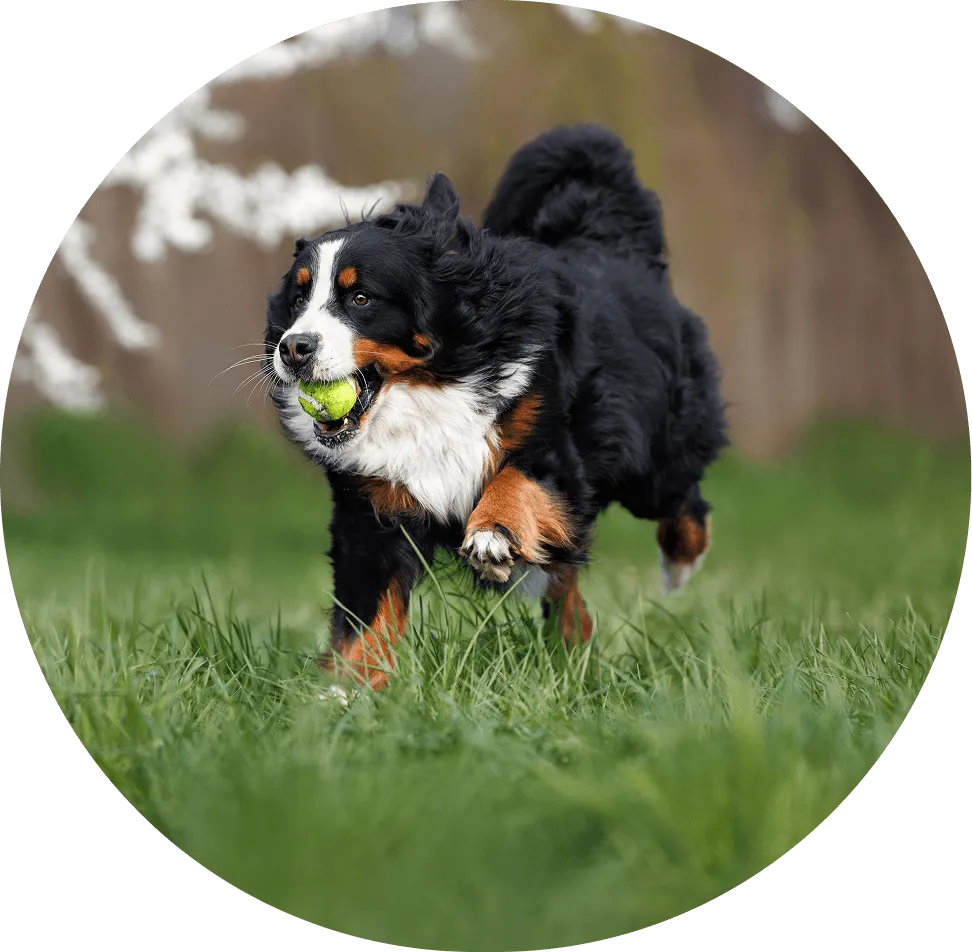
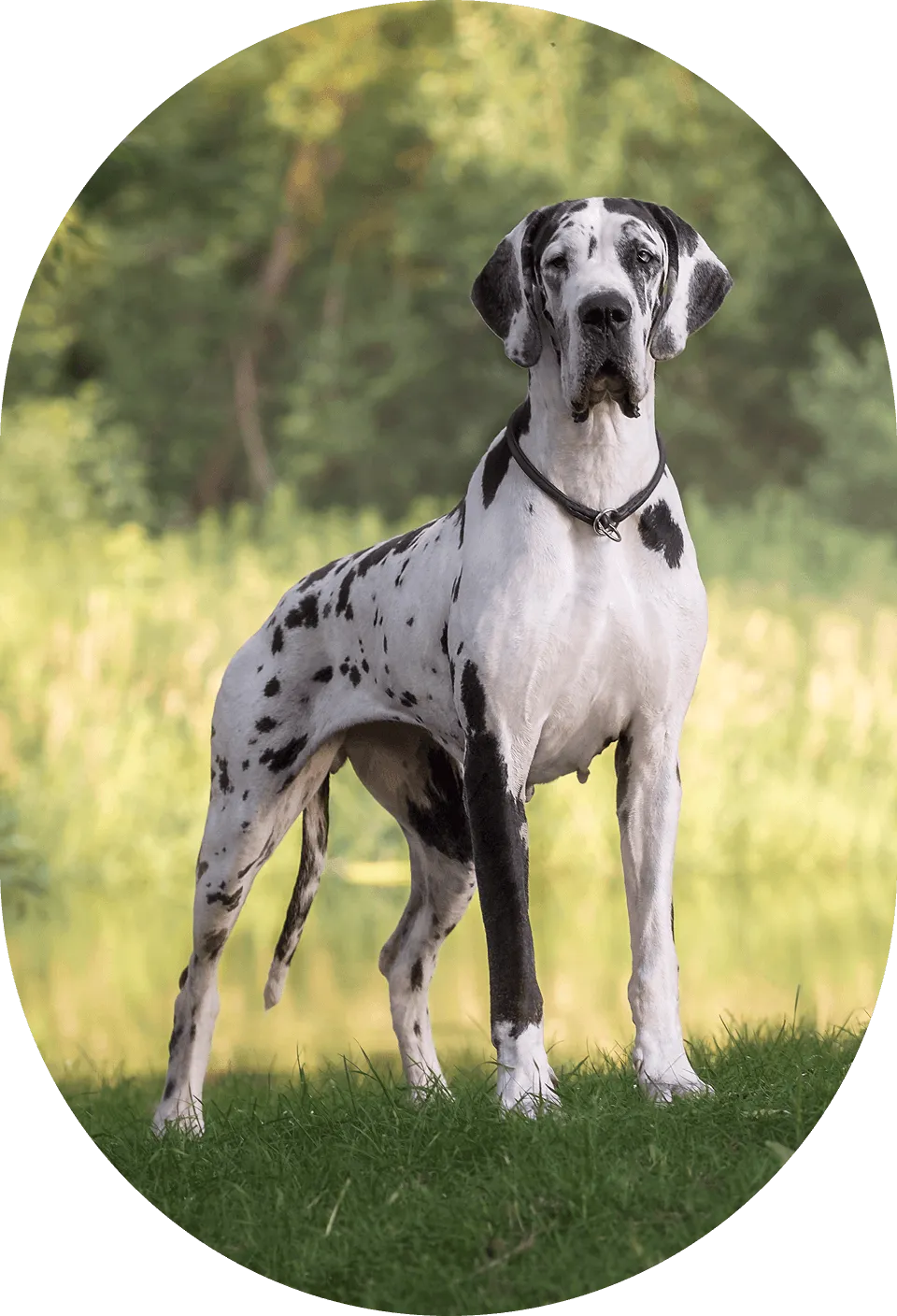
Most affected dog breeds

Most affected cat breeds

What is Osteochondritis Dissecans

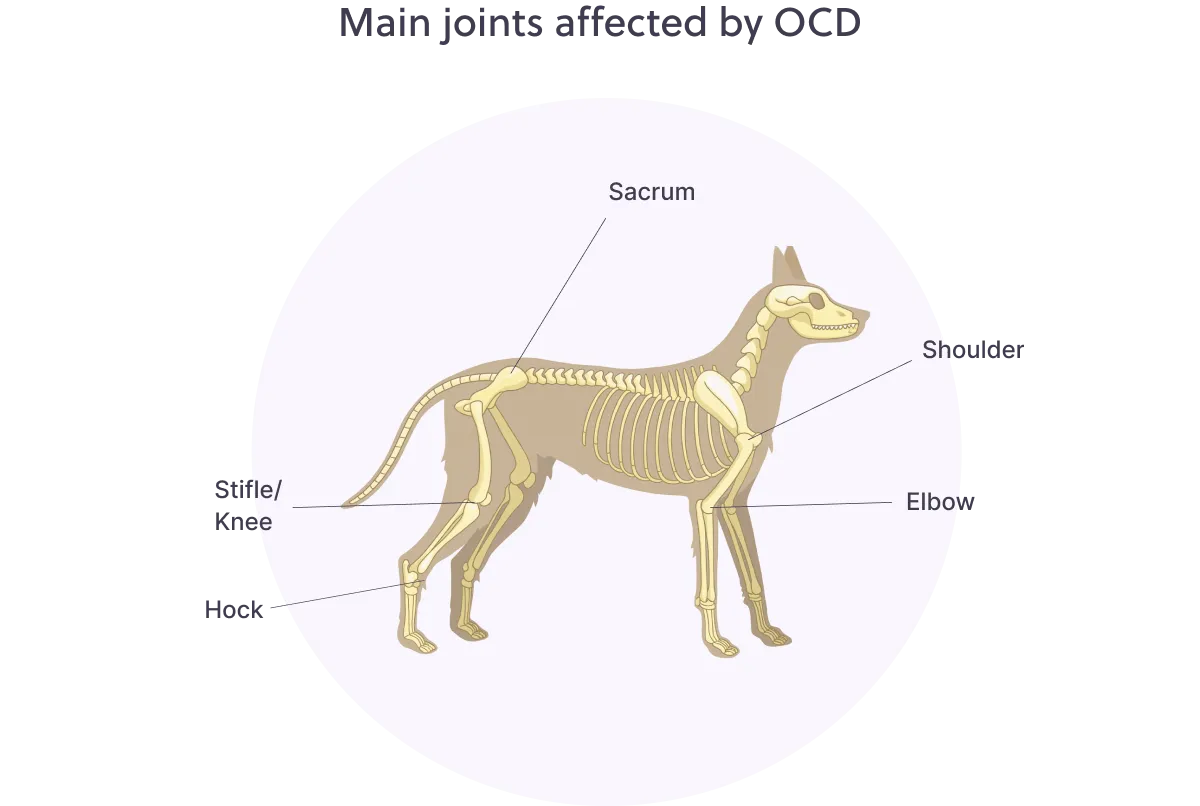
Think of your pet’s joint like a smooth puzzle. In OCD, a small piece of bone and cartilage loosens or lifts away because blood flow to that spot drops. The loose piece can move inside the joint and cause pain, swelling, and stiffness. The shoulder, elbow, knee, and ankle are the most commonly affected joints.

Osteochondritis Dissecans is when a fragment of cartilage and bone separates from the joint surface due to poor blood supply. This causes pain and reduced joint function. It most often affects the shoulder, hip, knee (stifle), or hock (ankle).

Key takeaways

Importance for pet owners

OCD can limit your pet’s movement and quality of life. Spotting it early and visiting your vet quickly can prevent long-term damage. Treatment, whether rest, medication, or surgery, can improve comfort and recovery. Knowing breed risks and maintaining healthy growth and exercise also helps prevent joint problems.

Understanding Osteochondritis Dissecans (OCD)

OCD occurs when a small area of bone under the joint cartilage loses its blood supply. The bone weakens and the cartilage above it can crack or separate, forming a loose flap or piece. This leads to pain, swelling, and reduced movement.

Causes of Osteochondritis Dissecans

Genetic predisposition

OCD is most common in large and giant dog breeds and can be hereditary. Males are slightly more affected, likely due to hormones and activity levels. It is extremely rare in cats. Signs often appear in puppies aged 4 to 9 months. Consider insurance before symptoms appear.

Repetitive trauma

Jumping, slipping, or high-impact exercise can stress joints and damage cartilage over time. Regular, low-impact activity reduces this risk.

Rapid growth

Fast-growing large-breed puppies are more prone to OCD because developing joints experience uneven stress. Steady, balanced growth lowers the chance of damage.

Nutritional factors

Too much calcium or an unbalanced diet can disrupt normal bone and cartilage development. Use large-breed puppy diets and avoid overfeeding.

Hormonal imbalances

Growth-stage hormones can influence how cartilage forms and repairs, which affects susceptibility to OCD.

Symptoms of Osteochondritis Dissecans

You may notice limping, especially after play or exercise. Some dogs only show a mild limp. Others may avoid putting weight on one leg.

Pets may hold one leg awkwardly or avoid using it to reduce pain. Watch for favouring one limb or unusual stance.

The affected joint can look swollen or feel warm to touch. This is a common sign of inflammation.

Tip:

If your dog limps for more than a day, has swelling, or seems sore, see your vet promptly. Be extra alert if you have a large-breed puppy.

Diagnosis of Osteochondritis Dissecans

Clinical examination

Your vet will take a detailed history and examine the limb. They will assess pain, range of motion, and joint function.

Radiographs (X-rays)

X-rays are a common first step to find OCD lesions. In young dogs, growing bones can make images harder to interpret, so clinical expertise matters.

Arthroscopic examination

In some cases, your vet may recommend arthroscopy. This minimally invasive camera procedure allows direct viewing of the joint and can also remove loose cartilage at the same time.

Treatment for Osteochondritis Dissecans

Treatment depends on the joint and the severity of the lesion.

Mild or stable lesions may improve with:

  • Rest and restricted activity
  • Anti-inflammatory medication as prescribed
  • Physiotherapy and controlled rehabilitation exercises

Surgery is often recommended when loose cartilage or bone fragments are present. Options include:

  • Debridement: removal of loose or damaged tissue
  • Drilling or microfracture: to improve blood flow and healing
  • Fixation or grafting: stabilising or filling larger defects

Shoulder OCD often responds very well to surgery.

Postoperative care for Osteochondritis Dissecans

Recovery and prognosis

Many pets recover within a few weeks after surgery. Outcomes vary by joint. The shoulder and elbow usually recover faster. The hock and knee may take longer.

Follow-up and exercise

Strict rest at first, followed by controlled physiotherapy, helps prevent stiffness and 
supports healing. Regular vet checkups are important to track progress and catch any complications early.

Good to know:
Maintaining a healthy weight during recovery reduces strain on healing joints.

Cost of treatment for 
Osteochondritis Dissecans

Costs vary with severity, the joint involved, and the treatment plan.

Prices vary by clinic and location. Pet insurance can help offset these expenses.

Prevention tips for Osteochondritis Dissecans (OCD)

Breeding practices

Choose responsible breeders who screen for joint disease and avoid breeding affected dogs.

Nutrition and growth management

Feed a balanced, vet-recommended diet. For large-breed puppies, avoid excess calories and unnecessary supplements, especially calcium.

Exercise and physical activity

Encourage steady, moderate activity. Avoid excessive jumping and rough play, especially on hard or slippery surfaces.

Weight management

Keep your pet at a healthy weight to reduce joint strain and the risk of arthritis.

Early detection and veterinary care

Schedule regular vet checks. If you notice limping or pain, seek advice promptly.

Environmental considerations

Provide non-slip flooring and soft bedding. Limit stairs for growing puppies.

Getting Osteochondritis Dissecans covered with pet insurance

What is Petsy Pet Insurance?

Petsy reimburses 80% or 90% of eligible vet costs for unexpected injuries or illnesses after waiting periods. You can tailor your cover by choosing your Annual Limit, Excess, and Benefit Percentage. Your vet can submit claims directly to us. We also offer a complimentary Pre-Existing Condition Assessment to clarify coverage based on your pet’s history.

What is a pre-existing symptom or condition?

Any signs or symptoms of an illness or health issue your pet shows before the exclusion period is over are considered pre-existing symptoms and conditions and won’t be covered. 

Osteochondritis Dissecans is a Specified Condition.

  • It has a 6 month exclusion period.
  • Once this period has passed with no signs or symptoms, we can help to cover eligible costs.

Can Petsy insurance cover my pet’s Osteochondritis Dissecans?

Petsy covers eligible costs for OCD as long as it’s not pre-existing and no signs or symptoms of OCD appeared during the exclusion period. Starting your policy early ensures your pet is protected before any symptoms arise.

How Petsy pet insurance can help

OCD can appear in growing dogs and may be costly to treat. Starting a policy early can help you with the unexpected costs of diagnostics, surgery and recovery care.

Waiver form

You can apply to reduce the 6 month exclusion period for Specified Conditions, including OCD.

How to apply:

  1. Complete Part 1 of the Waiver Form.
  2. Your vet examines your pet and completes Part 2.
  3. Send the form and full vet history within 14 days.
  4. We review and, if approved, issue an updated Certificate of Insurance that notes any reduced exclusion periods.

Find the Waiver Form under Policy Documents on our website or contact us
for a copy.

Conclusion

OCD can sound daunting, but early detection and the right treatment make a big difference. If your pet limps, seems sore, or moves awkwardly, see your vet. A balanced diet, sensible exercise, and regular health check-ups can help to manage your pet’s care.

Frequently asked questions about OCD

A joint condition where a small piece of cartilage and bone loosens, which causes pain and reduced movement. It is most common in large dog breeds.

Large and giant breeds such as Labradors, Golden Retrievers, Great Danes, and Rottweilers.

Limping, stiffness, swelling, or reluctance to move, especially after exercise.

Your vet may use a physical exam, X-rays, or arthroscopy to confirm the diagnosis.

Mild cases may improve with rest and medication. Severe cases often need surgery to remove or repair damaged cartilage.

Specified Conditions includes:

  • Cruciate ligament damage
  • Intervertebral disc disease
  • Hip dysplasia
  • Patella luxation
  • Elbow dysplasia
  • Cherry eye
  • Entropion
  • Ectropion,
  • Osteochondritis dissecans (‘OCD’)
  • Lumps

Lumps means the protuberance or localised area of swelling or unusual growth that can occur anywhere on or in the body including tumours, warts, cysts, growths, mucoceles, haematomas and abscesses.

You can apply to reduce the 6-month exclusion period for Specified Conditions by using our request for Waiver Form. Simply take this form to your next vet visit and submit the completed form back to [email protected] within 14 days of the visit.

Optional Extra Benefits

During the application process You will be provided with the option to include Optional Extra Benefits that cover certain conditions and Treatments which are not otherwise covered under the Policy.

The Optional Extra Benefits are:

Alternative Therapies, Behavioural Problems, and Dental Illness.

Examples of Alternative Therapies: Acupuncture, physiotherapy, hydrotherapy.

Examples of Behavioural Problems: Excessive licking, fur pulling, pacing and destructive chewing.

Examples of Dental Illnesses: Dental diseases, gingivitis, periodontal disease.