
| Key symptoms Back or neck pain, wobbliness, weakness, trouble walking, yelping when touched, hunched back, in severe cases paralysis or loss of bladder or bowel control | |
| Commonality | Moderate |
| Transmission | Not contagious |
| Impact on health | Medium to High |
| Treatment cost | ~$3,000 to $8,000 AUD (varies) |
| Treatment duration | Weeks to months depending on severity |
| Ease of prevention | Medium |
Most affected dog breeds
Most affected cat breeds
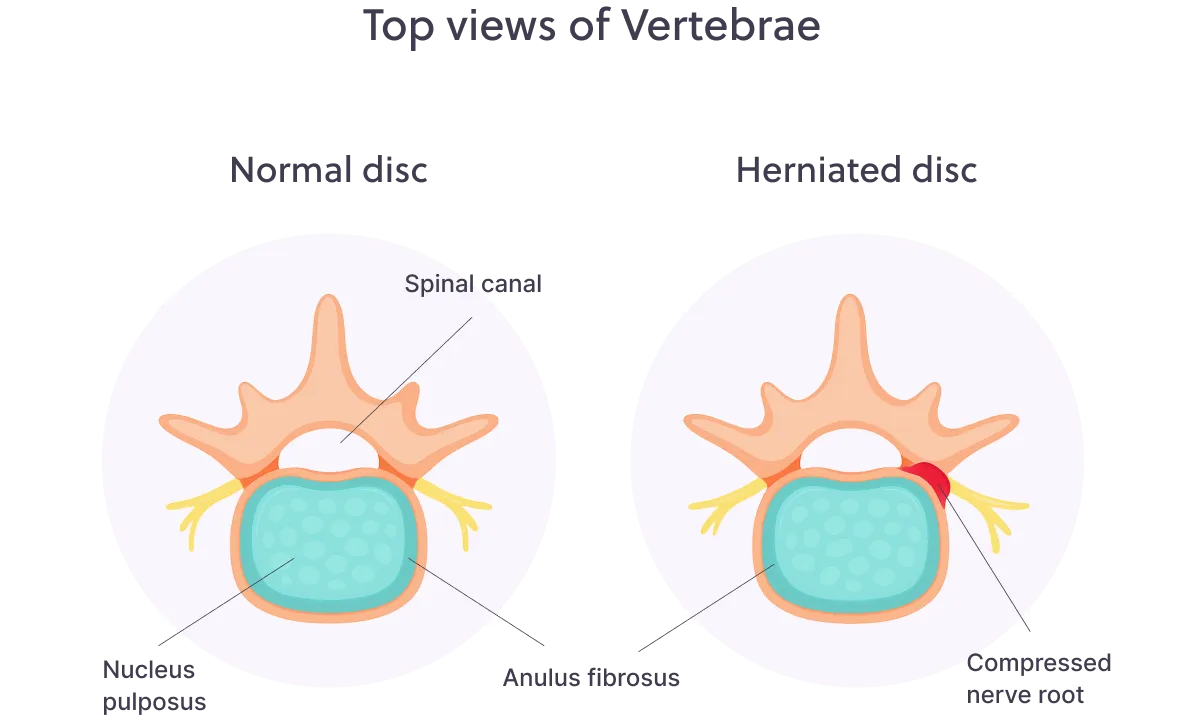
Think of each disc like a jelly doughnut between two bones in the spine. With IVDD, the “jelly” can bulge or burst, pressing on nerves and causing pain or weakness. It is more common in dogs, particularly those with long backs, and less common in cats.
IVDD happens when the discs between the vertebrae degenerate and may bulge or herniate. This puts pressure on the spinal cord, leading to pain, weakness, and neurological symptoms such as wobbliness or paralysis.
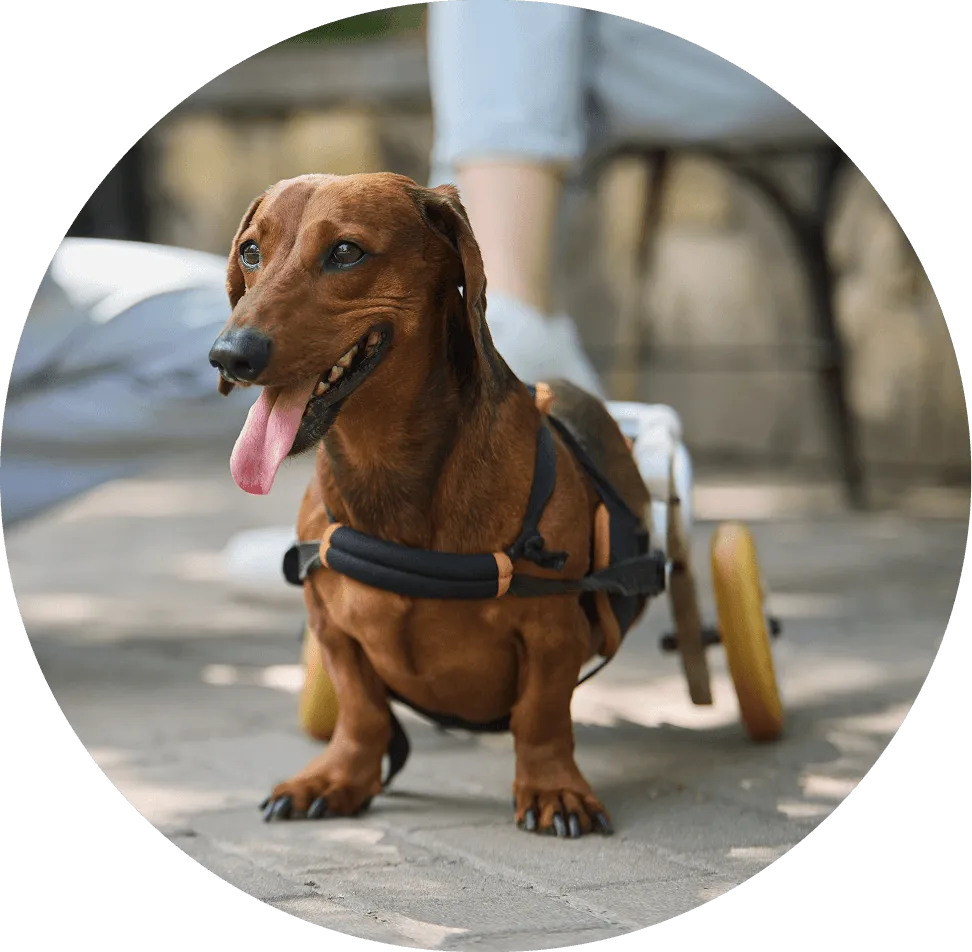
Recognising IVDD early and getting veterinary help quickly can make a big difference. Some pets recover with rest and medication, while others may need surgery. Older pets and certain breeds such as Dachshunds and Beagles, or cats like Persians and British Shorthairs, are more at risk, so early care is key.
The spine is made up of bones called vertebrae. Between them are discs that act as cushions, with a soft gel-like center (the nucleus pulposus) and a tougher outer layer (the annulus fibrosus). When a disc becomes damaged, it can bulge or rupture and press on the spinal cord or nearby nerves. This pressure causes pain, weakness, or even paralysis.
Age and genetics
As pets age, their discs lose flexibility and become more likely to rupture. Some breeds inherit a higher risk. Knowing your pet’s breed risk can help you watch for signs early.
Trauma and disc rupture
Falls, rough play, or sudden twisting can damage discs. If your pet yelps, suddenly becomes wobbly, or refuses to move, see your vet urgently.
Breed predisposition
Dogs with long backs and short legs such as Dachshunds and Basset Hounds are more likely to develop IVDD. Regular vet checks and careful handling can reduce risk.
Common symptoms:
Neurological signs:
Additional signs:
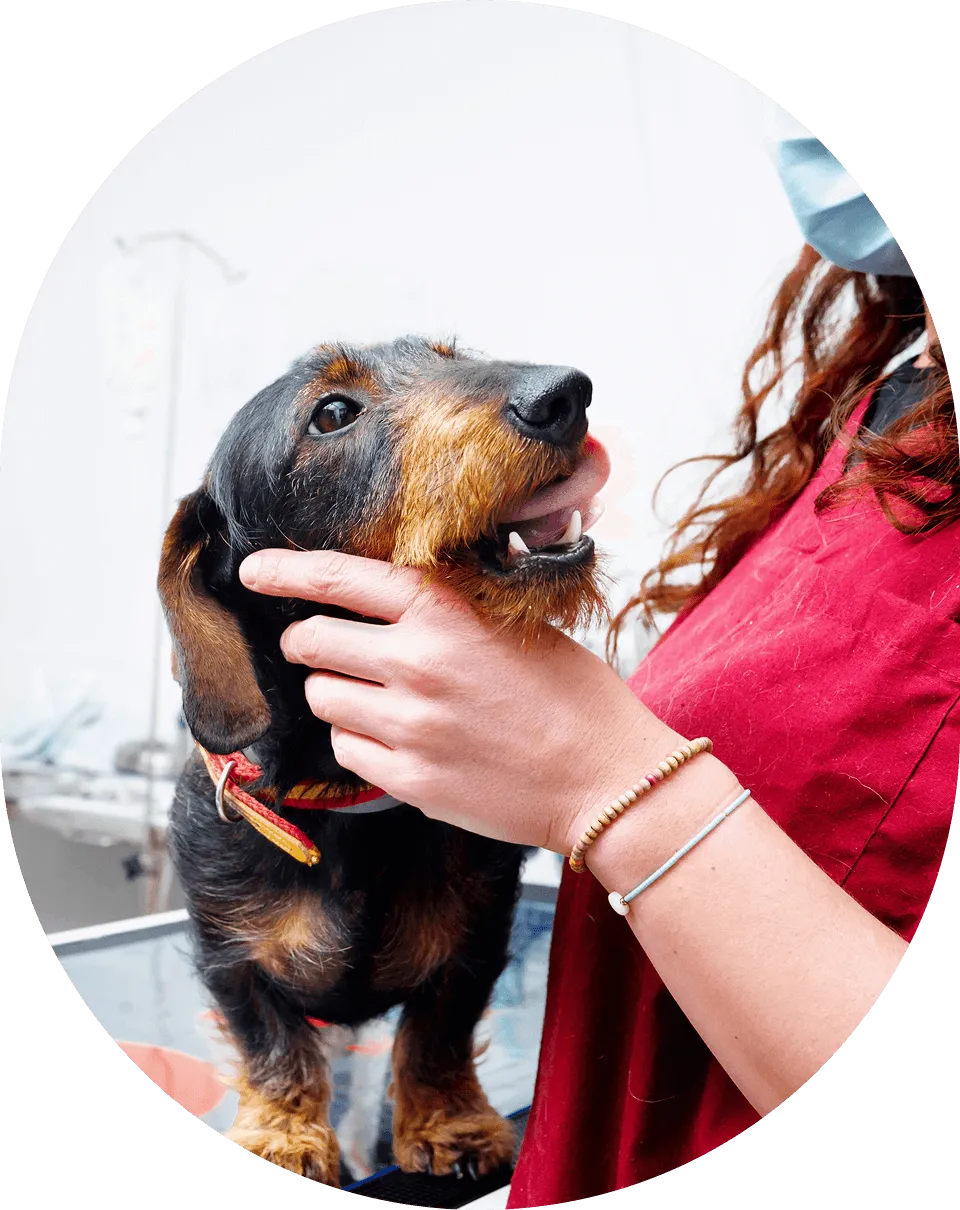
Physical and neurological examination
Your vet will check for pain, reflexes, and coordination to determine which part of the spine may be affected.
Imaging techniques
Importance of accurate diagnosis
Getting the correct diagnosis helps your vet choose the best treatment plan and prevent further injury. It also avoids unnecessary procedures and speeds up recovery.
Mild cases may be treated with rest, pain relief, and anti-inflammatory medication. Muscle relaxants may also be prescribed. Your vet may recommend short, gentle rehabilitation exercises once pain improves.
Physical therapy such as hydrotherapy or gentle exercises can improve flexibility, build strength, and reduce pain. Your vet or animal physiotherapist can tailor a plan for your pet.
Once your vet advises it is safe, short on-lead walks and low-impact activities can help recovery. Avoid running, jumping, or stairs until cleared by your vet.
Strict crate rest prevents further damage and gives the spine time to heal. The crate should be comfortable, large enough for your pet to stand and turn, with soft bedding and quiet surroundings.
Surgery may be needed to remove disc material that is pressing on the spinal cord.
Surgery is usually recommended for severe cases, especially when:
Delaying surgery in these cases can cause permanent damage.
After surgery, rest and limited activity are crucial. Pain medication and physical therapy are usually part of recovery. The vet will give detailed instructions and schedule follow-up appointments to monitor progress.
Surgery can relieve pressure on the spinal cord, improve nerve function, and restore mobility. In severe cases, it often provides the best chance of long-term recovery.
Costs vary by clinic and region. Pet insurance can significantly help to cover eligible emergency surgery and hospitalisation costs.
Regular exercise
Gentle daily exercise helps strengthen the muscles that support the spine. Avoid overexertion or rough play.
Healthy weight management
Extra weight puts pressure on the back and increases IVDD risk. Keep your pet at an ideal weight with a balanced diet and regular checkups.
Proper support
Use ramps or steps instead of letting pets jump from high surfaces. When lifting, support both the chest and back end to reduce strain.
Breed awareness
If your dog or cat is a high-risk breed, take extra care with stairs, jumping, and rough play. Regular vet checks can detect early signs.
What is Petsy Pet Insurance?
Petsy reimburses 80% or 90% of eligible vet costs for unexpected injuries or illnesses after any applicable exclusion period. You can customise your policy by choosing your annual limit, benefit percentage, and excess. Claims are simple and can be submitted by your vet. Petsy also offers a complimentary Pre-Existing Condition Assessment to help you understand coverage upfront.
What is a pre-existing symptom or condition?
Any signs or symptoms of an illness or health issue your pet shows before the exclusion period is over are considered pre-existing symptoms and conditions and won’t be covered.
IVDD is a Specified Condition that has a 6 month exclusion period. Once this period has passed with no signs or symptoms, it may be covered if it is not pre-existing.
Does Petsy cover IVDD?
Yes, Petsy covers eligible costs for IVDD as long as it’s not pre-existing and no signs or symptoms of IVDD appeared during the exclusion period. Starting your policy early ensures your pet is protected before any symptoms arise.
How Petsy Pet Insurance can help with IVDD?
Starting cover before any signs or symptoms appear gives you the best chance of protection. IVDD can happen suddenly, so having coverage in place early can help you with the unexpected costs of diagnostics, surgery, and recovery care.
You can apply to reduce the 6 month exclusion period for Specified Conditions including IVDD.
How to apply:
The Waiver Form is available under Policy Documents on our website or by contacting our team.
If your pet shows back or neck pain, stiffness, or weakness, contact your vet quickly. Many pets recover well with timely treatment. Keeping your pet lean, avoiding jumping, and providing the right support can all reduce risk. Taking out pet insurance early can help to reimburse you for eligible costs if IVDD develops later in life.
IVDD happens when a spinal disc bulges or ruptures, pressing on nerves and causing pain, weakness, or paralysis. It is more common in long-backed breeds.
Look for pain, yelping when touched, stiffness, reluctance to move, or wobbliness. In serious cases, your pet may drag its legs or lose bladder control.
Mild cases may improve with rest, medication, and physical therapy. Severe cases often need surgery.
Yes. Keep your pet’s weight healthy, avoid stairs and high jumps, use ramps, and support your pet’s back when lifting.
Yes. Some breeds such as Dachshunds, Beagles, and Corgis are more prone due to their body shape. Knowing your pet’s breed risk helps with early detection and prevention.
Specified Conditions includes:
Lumps means the protuberance or localised area of swelling or unusual growth that can occur anywhere on or in the body including tumours, warts, cysts, growths, mucoceles, haematomas and abscesses.
You can apply to reduce the 6-month exclusion period for Specified Conditions by using our request for Waiver Form. Simply take this form to your next vet visit and submit the completed form back to [email protected] within 14 days of the visit.
During the application process You will be provided with the option to include Optional Extra Benefits that cover certain conditions and Treatments which are not otherwise covered under the Policy.
The Optional Extra Benefits are:
Alternative Therapies, Behavioural Problems, and Dental Illness.
Examples of Alternative Therapies: Acupuncture, physiotherapy, hydrotherapy.
Examples of Behavioural Problems: Excessive licking, fur pulling, pacing and destructive chewing.
Examples of Dental Illnesses: Dental diseases, gingivitis, periodontal disease.