
Understanding Pyometra in 
dogs and cats

Causes, symptoms, and treatment

Key symptomsLethargy, fever, excessive thirst, vomiting, vaginal discharge, loss of appetite, abdominal swelling
CommonalityCommon in unspayed female dogs, less common in cats
TransmissionNot contagious
Impact on healthSevere and potentially life-threatening
Treatment cost~$1,500 to $5,000 AUD
(depending on surgery and aftercare)
Treatment duration 2 to 4 weeks post-surgery
Ease of preventionEasy (through desexing)

Most affected dog breeds

Most affected cat breeds

What is Pyometra

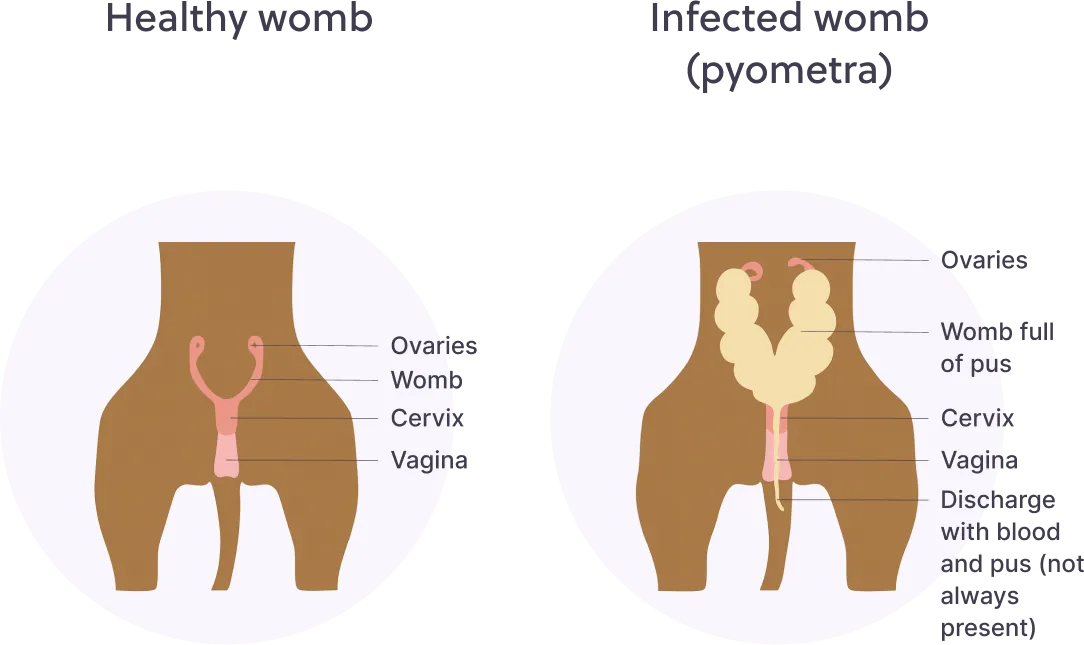
Pyometra is a dangerous infection that develops in the uterus of an unspayed female pet. It happens when bacteria enter the uterus and cause it to fill with pus. The condition usually appears a few weeks after a heat cycle and can make your pet very sick very quickly.

Pyometra is a hormonally mediated bacterial infection of the uterus, often occurring 4 to 8 weeks after oestrus. Under the influence of progesterone, the uterine lining thickens and suppresses immune defences, creating an ideal environment for bacterial growth. Escherichia coli is the most common bacteria isolated. Pyometra can present as open-cervix (vaginal discharge) or closed-cervix (no discharge) forms, with the latter being more dangerous due to rapid toxin absorption and sepsis.

Key takeaways

Importance for pet owners

Pyometra is a true emergency. If untreated, it can quickly lead to sepsis, kidney failure, and death. Recognising early signs such as lethargy, fever, 
or unusual discharge can save your pet’s life. Spaying is the best prevention and is strongly recommended for pets not intended for breeding.

Understanding Pyometra

Every time a female pet goes through a heat cycle, her body prepares for pregnancy. If pregnancy does not occur, hormonal changes can cause the uterine lining to thicken over time. This thickened tissue can trap bacteria, leading to infection and pus build-up.

There are two types of pyometra:

Without prompt treatment, toxins from the infection can enter the bloodstream and cause organ failure.

Causes of Pyometra

Hormonal changes

Repeated exposure to progesterone during each heat cycle thickens the uterine lining and decreases its ability to fight infection

Bacterial infection

Bacteria, especially E. coli, can enter the uterus through the cervix during a heat cycle when 
it is open.

Age and reproductive history

Middle-aged to older unspayed females are at higher risk, particularly if they have never 
been pregnant.

Retained uterine secretions

In closed pyometra, secretions and bacteria become trapped inside the uterus, causing rapid infection and enlargement.

Certain medications

Hormonal drugs used to prevent heat or manage reproductive cycles can increase the risk by altering the uterus’s natural defences.

Symptoms of Pyometra

Early symptoms:

Advanced symptoms

Tip:

Even mild symptoms after a heat cycle can signal the start of pyometra. If your unspayed pet is unwell, always visit your vet urgently.

Diagnosis of Pyometra

Physical examination

Your vet will check for fever, abdominal swelling, or discharge.

Blood tests

Bloodwork often shows high white blood cell counts, dehydration, and kidney strain due to toxins.

Imaging

  • Ultrasound: Used to confirm the presence of pus in the uterus.
  • X-rays: Help determine the size of the uterus and rule out other causes of swelling.

Vaginal cytology

In open pyometra, a swab of discharge can help confirm infection.

Treatment for Pyometra

The most effective treatment is surgical removal of the uterus and ovaries (spaying). This eliminates the infection and prevents recurrence. It is considered an emergency surgery because the infection can spread rapidly.

In very select cases, hormone therapy and antibiotics may be used to empty the uterus, but recurrence is likely. This approach carries risks and is not recommended for most pets.

Hospitalisation is required for fluids, antibiotics, and close monitoring, especially before and after surgery.

Postoperative care for Pyometra

Recovery

After surgery, pets typically stay in the hospital for 1 to 3 days. Full recovery takes 2 to 
4 weeks.

Medication

Antibiotics and pain relief are prescribed during the recovery period.

Monitoring

Owners should watch for signs of infection, reduced appetite, or lethargy during recovery. Follow-up vet visits ensure proper healing.

Cost of treatment for Entropion

Treatment costs can vary depending on how advanced the infection is and whether 
complications occur.

Costs vary by clinic and region. Pet insurance can significantly help to cover eligible emergency surgery and hospitalisation costs.

Prevention tips for Pyometra

Spaying (Desexing)

The most reliable way to prevent pyometra is to spay your pet. Spaying eliminates the uterus and ovaries, preventing both infection and heat cycles.

Monitor heat cycles

If your pet is not spayed, keep track of her cycles. If she becomes lethargic or unwell afterward, see a vet immediately.

Avoid hormonal drugs

Avoid using hormonal injections or tablets that delay heat cycles unless prescribed by a vet for medical reasons.

Routine vet checks

Regular checkups can detect early uterine changes before infection develops.

Getting Pyometra covered with pet insurance

What is Petsy Pet Insurance?

Petsy reimburses 80% or 90% of eligible vet costs for unexpected illnesses or injuries once exclusion periods have passed. You can tailor your cover to your budget and pet’s needs, and many vets can submit claims directly on your behalf.

Petsy also provides a complimentary Pre-Existing Condition Assessment to clarify what conditions may be covered based on your pet’s medical history.

What is a pre-existing symptom or condition?

Any signs or symptoms of an illness or health issue your pet shows before the exclusion period is over are considered pre-existing symptoms and conditions and won’t be covered. 

Pyometra is a Specified Condition that has a 6 month exclusion period. This period needs to pass without symptoms, for us to cover treatment costs related to pyometra.

Does Petsy cover Pyometra?

Yes, Petsy covers eligible costs for pyometra as long as it’s not pre-existing and no signs or symptoms of pyometra appeared during the exclusion period. Starting your policy early ensures your pet is protected before any symptoms arise.

How Petsy Pet Insurance can help?

Emergency surgery for pyometra can be costly, but having cover in place gives you peace of mind. Petsy can help reimburse the eligible costs of surgery, hospitalisation, antibiotics, and follow-up care, so your focus stays on helping your pet recover.

Conclusion

Pyometra is a life-threatening infection that requires immediate veterinary care. While treatment is effective when performed quickly, prevention through spaying is the best way to protect your pet. Regular checkups, early recognition of symptoms, and having pet insurance in place can make all the difference in ensuring your pet stays healthy and safe.

Frequently asked questions about Pyomerta

A bacterial infection of the uterus that occurs in unspayed female pets, often after a heat cycle.

Yes, it is life-threatening and requires immediate veterinary attention.

Lethargy, fever, increased thirst, vomiting, and vaginal discharge.

Through emergency surgery to remove the uterus and ovaries (spaying).

Yes, spaying your pet is the most effective way to prevent pyometra.

Specified Conditions includes:

  • Cruciate ligament damage
  • Intervertebral disc disease
  • Hip dysplasia
  • Patella luxation
  • Elbow dysplasia
  • Cherry eye
  • Entropion
  • Ectropion,
  • Osteochondritis dissecans (‘OCD’)
  • Lumps

Lumps means the protuberance or localised area of swelling or unusual growth that can occur anywhere on or in the body including tumours, warts, cysts, growths, mucoceles, haematomas and abscesses.

You can apply to reduce the 6-month exclusion period for Specified Conditions by using our request for Waiver Form. Simply take this form to your next vet visit and submit the completed form back to [email protected] within 14 days of the visit.

Optional Extra Benefits

During the application process You will be provided with the option to include Optional Extra Benefits that cover certain conditions and Treatments which are not otherwise covered under the Policy.

The Optional Extra Benefits are:

Alternative Therapies, Behavioural Problems, and Dental Illness.

Examples of Alternative Therapies: Acupuncture, physiotherapy, hydrotherapy.

Examples of Behavioural Problems: Excessive licking, fur pulling, pacing and destructive chewing.

Examples of Dental Illnesses: Dental diseases, gingivitis, periodontal disease.